Language Spare Parts Google Views

Recycling has become a vital part of our efforts to combat environmental challenges and create a sustainable future. Among the various methods and techniques employed in recycling, crushing plays a crucial role in transforming waste materials into usable resources. In this article, we will explore different types of recycling crushing techniques and their significance in waste management.
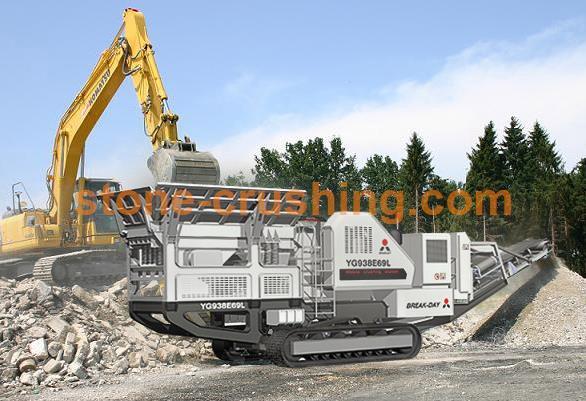
1. Primary Crushing:
Primary crushing refers to the initial crushing of waste materials, where large-sized items are broken down into more manageable pieces. Heavy-duty machinery such as jaw crushers or impact crushers are commonly used for primary crushing. This method is particularly effective in reducing bulky items such as concrete, bricks, and rocks, making them easier to transport and process further.
2. Secondary Crushing:
After primary crushing, secondary crushing comes into play, further reducing the size of the waste materials to extract recyclable components. This type of crushing may involve the use of cone crushers or impact crushers. Secondary crushing is beneficial in cases where primary crushing does not achieve the desired size reduction or when more fine-grained materials are needed for downstream processes.
3. Tertiary Crushing:
Tertiary crushing is a specialized method aimed at creating fine-grained materials suitable for specific applications or recycling processes. This technique is often used to produce materials for road construction or landscaping purposes. Machinery like vertical shaft impactors or high-pressure grinding rolls (HPGR) are commonly used for tertiary crushing.
4. Mobile Crushing:
With the advancement of technology, mobile crushing has gained popularity in recent years. Mobile crushers are compact and can be easily transported to different sites, making them an ideal solution for on-site recycling. They are versatile, capable of handling various types of waste materials, and can be set up quickly. Mobile crushing offers convenience and efficiency, allowing recycling to be carried out directly at the source, minimizing the need for transportation.
5. Asphalt and Concrete Crushing:
Asphalt and concrete are two commonly recycled materials in the construction industry. Crushing asphalt and concrete waste enables the extraction of aggregates, which can be reused in new construction projects. Asphalt and concrete crushing not only reduces landfill waste but also conserves natural resources by reducing the need for virgin materials.
Recycling crushing techniques play a vital role in waste management by converting unwanted materials into usable resources. Primary, secondary, and tertiary crushing methods break down waste materials into various sizes, making them easier to handle and process further. Mobile crushing offers on-site recycling opportunities, reducing transportation costs and carbon emissions. Additionally, crushing asphalt and concrete waste helps conserve natural resources while promoting sustainable construction practices.
Adopting recycling crushing techniques in waste management contributes to a greener and more sustainable future. Proper implementation of these methods can help decrease landfill waste, conserve natural resources, and reduce the overall environmental footprint associated with waste disposal.



