Language Spare Parts Google Views

Silica sand is a crucial ingredient in the manufacturing of products such as glass, ceramics, and various industrial applications. The process of extracting and processing high-quality silica sand involves a series of steps, including crushing and screening. In this article, we will explore the importance of these processes in enhancing productivity and ensuring the desired quality of silica sand.
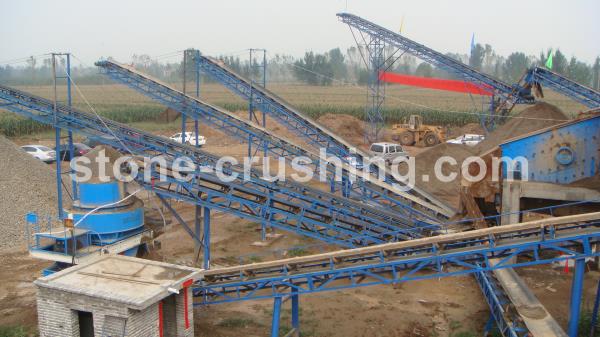
Crushing is the first step in the silica sand production line. This process aims to reduce the size of the extracted raw materials to a more manageable size, thereby facilitating subsequent industrial processes. Various crushing equipment, including jaw crushers, impact crushers, and cone crushers, are commonly used to accomplish this task.
The primary crushing equipment, such as jaw crushers, breaks down large chunks of silica sand into smaller particles. These machines employ a compressive force to crush the material, resulting in a uniform size distribution. Impact crushers, on the other hand, utilize the principle of rapid impact to reduce the size of the silica sand particles. Cone crushers are often employed in the secondary or tertiary crushing stages, refining the silica sand to achieve the desired product specifications.
Screening is an essential step in the production of silica sand as it allows for the separation of the desired particle sizes. This process ensures that the final product meets the required specifications for various applications. Vibrating screens or trommel screens are used to separate the silica sand into different grades based on size.
During screening, the silica sand is conveyed onto the vibrating screen or trommel, where it is subjected to various vibrations that separate the materials according to size. The screens contain different-sized openings, allowing the smaller-sized particles to pass through, while larger particles are retained for further processing or disposal.
1. Enhanced Productivity: By efficiently crushing and screening silica sand, mining and quarrying operations can increase their production rates. The process ensures a consistent supply of silica sand, enabling industries to meet increased demand and stay competitive in the market.
2. Improved Quality Control: Crushing and screening processes allow for better control over the desired particle sizes and specifications of the silica sand. This helps in producing consistent and uniform products, ensuring that the end-users receive the quality they expect.
3. Cost Efficiency: By employing efficient machinery and processes, crushing and screening operations can reduce production costs. Effective screening eliminates the need for unnecessary processing, saving time, energy, and resources.
4. Environmental Sustainability: The use of advanced crushing and screening equipment helps minimize environmental impact by reducing dust emissions and optimizing energy consumption. This promotes sustainable practices and compliance with stringent regulations.
The silica sand crushing and screening processes play a vital role in the production of high-quality silica sand. By optimizing the size distribution and controlling the specifications of the end product, these processes enhance productivity, ensure consistent quality, and contribute to cost efficiency and sustainability. As the demand for silica sand continues to grow across various industries, it is crucial for mining and quarrying operations to adopt efficient methods and utilize modern equipment to stay competitive in the market.



