Language Spare Parts Google Views

Rock crushers are essential machines in the mining and quarrying industries. They break down larger rocks into smaller, more manageable sizes for further processing. Understanding the basic components of a rock crusher and how they work together can help you streamline your quarrying process and increase productivity. Read on to discover the key components of a rock crusher plant.
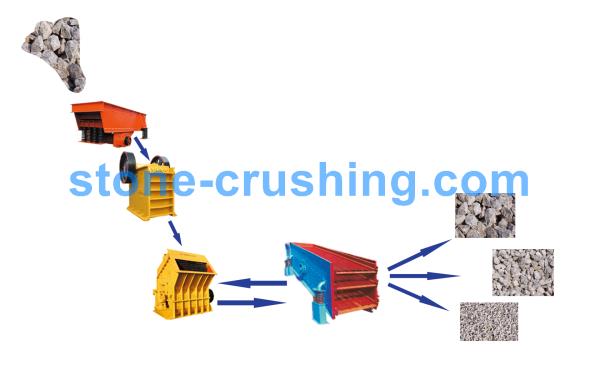
1. Feeder: The feeder is responsible for receiving the raw material and delivering it to the primary crusher. It ensures a steady and controlled flow of rocks into the crushing chamber, preventing overload and ensuring an efficient operation. The feeder can be either a vibrating grizzly feeder or a pan feeder, depending on the application and the material being processed.
2. Primary Crusher: The primary crusher plays a crucial role in the rock crushing process. It is usually the first crushing stage in the plant and breaks the larger rocks into smaller pieces. The most common types of primary crushers are jaw crushers and gyratory crushers. Jaw crushers are suitable for a wide range of materials, while gyratory crushers are often chosen for harder, more abrasive rocks.
3. Vibrating Screen: After the rocks are crushed by the primary crusher, they pass through a vibrating screen. The screen separates the crushed material into different sizes based on the desired final product specifications. Vibrating screens can have multiple layers of decks to provide more precise sizing options. Proper screening is essential to ensure high-quality end products and efficient crushing operations.
4. Secondary Crusher: Some plants may include a secondary crusher after the primary crusher. This additional crushing stage further reduces the size of the rocks and prepares them for the final processing stages. Common types of secondary crushers include cone crushers, impact crushers, and roll crushers. They are designed to handle smaller-sized rocks and provide a more refined end product.
5. Conveyor Belts: Conveyor belts are used to transport the crushed rocks between various stages of the crushing process. They help to automate and streamline the movement of materials, allowing for continuous operation of the plant. Conveyor belts are made of durable materials and can be customized to match the specific requirements of the rock crushing operation.
6. Control Panel: The control panel serves as the nerve center of the rock crusher plant. It houses the electrical components and provides the operator with the ability to monitor and control various aspects of the crushing process. The control panel allows for adjustments in the feed rate, crusher settings, and overall plant performance. A well-designed control panel can significantly improve the efficiency and safety of the rock crushing operation.
In the end, understanding the basic components of a rock crusher plant is vital for efficient and productive quarrying operations. From the feeder to the control panel, each component has a specific role in the crushing process. By optimizing the interaction between these components, operators can achieve higher throughput, better product quality, and reduced downtime. Whether you're involved in mining, construction, or any other industry that relies on rock crushing, familiarizing yourself with the key components of a rock crusher plant will undoubtedly enhance your operational capabilities.



