Language Spare Parts Google Views

In an era where technological advancements shape every aspect of our lives, rare earth minerals have emerged as the unsung heroes behind our everyday gadgets. From smartphones and electric vehicles to renewable energy technologies, these minerals play a pivotal role in driving innovation. However, their extraction involves a crucial and often overlooked step known as rock crushing, which holds the key to unlocking these valuable resources. In this article, we will explore the significance of rock crushing in rare earth mining, its environmental impact, and the technological advancements in this field.
Rare earth minerals are not evenly distributed throughout the Earth's crust, making their extraction a complex process. The first step in rare earth mining involves locating and excavating mineral-rich rocks. Once the rocks are obtained, they need to undergo crushing to release the minerals they contain. Crushing plays a critical role as it allows miners to separate valuable minerals from the unwanted components within the rocks. This step is crucial in ensuring the efficient extraction of rare earth elements.
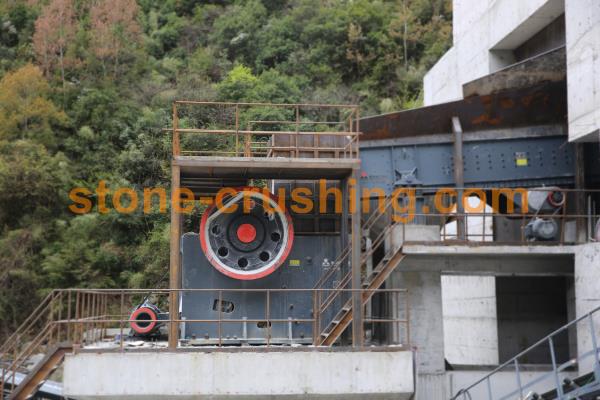
Mining companies employ various techniques and machinery to crush rocks effectively and maximize the recovery of rare earth minerals. The most commonly used equipment includes jaw crushers, cone crushers, and impact crushers. These machines are designed to break down large rocks into smaller, more manageable sizes, allowing for easier processing and separation of the valuable minerals. Additionally, specialized milling equipment such as ball mills or rod mills may be used to further refine the crushed rock into a finer powder.
While rare earth mining is essential for technological progress, it is vital to understand and mitigate its potential environmental impact. Rock crushing, in particular, can generate dust and noise pollution, impacting both air and water quality. Traditional mining methods have often disregarded environmental concerns, leading to destructive consequences. However, there is a growing emphasis on sustainable mining practices that aim to minimize environmental harm. Innovations in dust suppression technology, wastewater treatment, and reclamation efforts are being developed to mitigate the negative effects associated with rock crushing in rare earth mining.
As demand for rare earth minerals continues to rise, so does the need for more efficient and sustainable mining techniques. Consequently, the research and development of novel technologies have accelerated in recent years. One promising advancement is the utilization of advanced sensors and artificial intelligence to optimize rock crushing processes. By monitoring factors such as energy consumption, particle size, and wear, these technologies allow for precise control and targeted improvements, enhancing overall operational efficiency and reducing environmental impact.
Rare earth mining is an intricate process that involves numerous stages, with rock crushing playing a crucial role in releasing valuable minerals. While the environmental impact of rock crushing cannot be overlooked, strides are being made to implement sustainable mining practices. Through technological innovations and a focus on minimizing harm, the mining industry is working towards a more sustainable future. As we continue to benefit from the incredible capabilities of rare earth minerals, responsible mining and efficient rock crushing remain vital in preserving both our technological advancements and the environment.



