Language Spare Parts Google Views

In the world of construction and mining, crushing equipment plays a pivotal role in breaking down large rocks and materials into manageable sizes. Among the various types of crushers, mobile crushers stand out due to their mobility and versatility on-site. A critical component of these machines is the jaw plates, which directly impact the crusher’s performance, durability, and efficiency. This article covers everything you need to know about mobile crusher jaw plates, their materials, maintenance, and how to choose the best for your equipment.
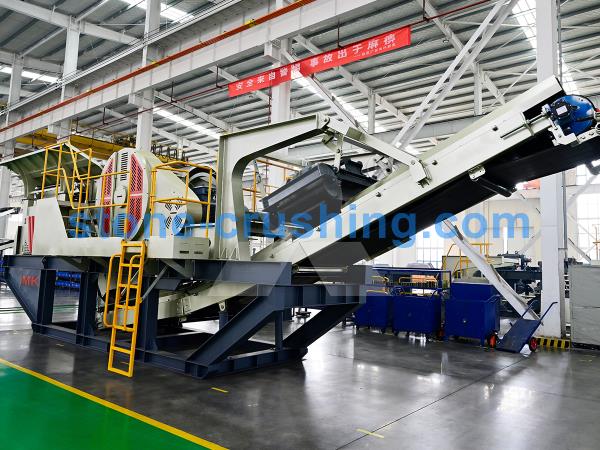
Mobile crushers use a set of jaw plates to crush materials. These plates consist of two parts: a fixed jaw and a moving jaw. The moving jaw plates oscillate against the fixed plates, crushing the material between them. This action reduces large rocks to smaller sizes suitable for construction or further processing.
Jaw plates are subjected to extreme pressure and abrasion, making their composition and design crucial for the crusher’s overall functionality and lifespan.
The most common material for jaw plates is manganese steel, known for its high impact resistance and. Manganese steel jaw plates work harden with use, becoming tougher and more wear-resistant over time. This unique property makes them ideal for crushing in tough environments.
- High Chrome Iron: Known for high hardness and wear resistance; however, it is more brittle compared to manganese steel.
- Composite Materials: Combining different materials to achieve a balance of hardness, toughness, and wear resistance.
The choice of material depends on the type of application and the abrasiveness of the material being crushed.
Jaw plates come in various designs to suit different crushing needs:
- Standard (Coarse) Jaw Plates: Designed for coarser reduction of materials.
- Fine Jaw Plates: Provide finer output, breaking materials into smaller pieces.
- Universal Jaw Plates: Offer a balance between coarse and fine crushing.
- Corrugated Jaw Plates: Help increase the grip on material for efficient crushing.
Selecting the right type enhances efficiency and reduces wear, prolonging the crusher’s service life.
To maximize the lifespan of jaw plates, regular maintenance is essential:
- Regular Inspection: Check for cracks, excessive wear, or damage.
- Proper Installation: Ensure plates are installed correctly and securely.
- Timely Replacement: Worn-out jaw plates should be replaced promptly to avoid damage to other crusher parts.
- Use Suitable Wear Parts: Always use high-quality, compatible parts.
Proper lubrication and adjustment of the crusher’s settings also contribute to prolonging the jaw plates’ life.
The jaw plates are the heart of your mobile crusher. Their efficiency determines throughput, crushing size, and energy consumption. Worn or damaged plates can reduce crushing efficiency, increase operating costs, and cause downtime. Investing in quality jaw plates and adhering to a maintenance schedule ensures your mobile crusher operates reliably and efficiently.
Mobile crusher jaw plates may seem like small components, but they have a huge impact on the crusher's performance. Choosing the right materials and types of jaw plates based on the nature of your crushing project, combined with regular maintenance, will help optimize your equipment’s use and reduce operational costs. Whether you’re crushing hard rocks or softer materials, keeping an eye on jaw plates is essential for smooth, efficient crushing operations.



