Language Spare Parts Google Views

In the world of industrial machinery, crushers play a pivotal role in material processing. Whether it’s mining, construction, recycling, or manufacturing sectors, crushers are essential for reducing large materials into manageable sizes. Manufacturing crushers require a detailed understanding of design, materials, and operational efficiency. If you’re venturing into the manufacturing of crushers or looking to deepen your knowledge, this handbook-style guide provides a comprehensive overview of everything you need to know.
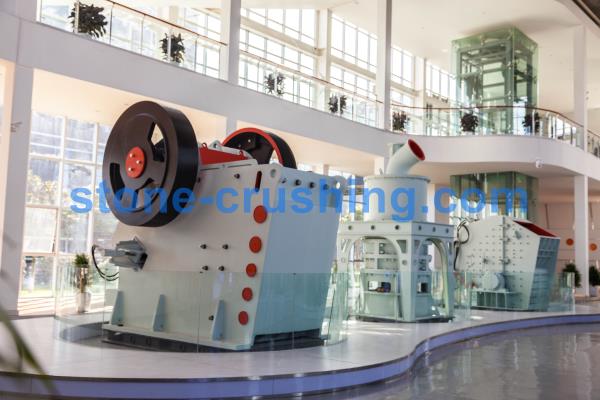
Before diving into the manufacturing process, it’s crucial to understand what crushers are and their primary types:
- Jaw Crushers: Use compressive force to break down materials, suitable for primary crushing.
- Cone Crushers: Ideal for secondary and tertiary crushing, these crushers apply a gyratory motion.
- Impact Crushers: Use impact force to crush materials, commonly used in quarrying and recycling.
- Gyratory Crushers: Similar to cone crushers but for heavier duty work, used mostly in mining.
- Roll Crushers: Use compression and shear force, effective for soft to medium-hard materials.
Each crusher type serves a specific purpose depending on the application, material hardness, and size reduction requirements.
Manufacturing a reliable crusher involves focusing on several critical components, including:
- Frame: The backbone of the crusher, typically made from heavy-duty steel.
- Jaw Plates and Mantles: Wear-resistant plates that directly handle material crushing.
- Drive Mechanism: Usually powered by electric motors or diesel engines.
- Feed Hopper: Where the raw material enters the crusher.
- Discharge Opening: Controls the size of the crushed output.
- Lubrication System: Keeps moving parts functioning smoothly.
Material selection is vital in crusher manufacturing. Components must withstand abrasion, corrosion, and high impact forces. Commonly used materials include:
- High manganese steel for jaw plates and mantles—excellent wear resistance.
- Cast iron or cast steel for frames and housings.
- Chrome steel for smaller, high-stress parts.
Manufacturing standards must emphasize durability, reliability, and safety to ensure equipment longevity and operator protection.
1. Design & Engineering: Using CAD software, engineers create detailed blueprints ensuring precise dimensions and tolerances.
2. Material Procurement: Selecting high-grade metals and alloys from trusted suppliers.
3. Casting and Forging: Frames and wear parts often undergo casting or forging to achieve the necessary strength.
4. Machining: CNC machines provide high precision for components like shafts, gears, and bearing housings.
5. Assembly: Skilled technicians assemble components with careful alignment and quality checks.
6. Testing: Crushers undergo performance testing under various loads to validate durability and efficiency.
7. Finishing and Coating: Application of protective coatings to prevent corrosion and wear.
A well-maintained crusher ensures longevity and reduces downtime. Key recommendations include:
- Regularly inspect wear parts and replace when necessary.
- Keep lubrication systems functional.
- Monitor vibration and unusual noises.
- Clean dust and debris that can affect performance.
- Educate operators on correct usage.
Manufacturing crushers is a complex but rewarding endeavor that combines engineering, materials science, and industrial expertise. By understanding the types, components, manufacturing steps, and maintenance requirements, manufacturers can produce machinery that meets industrial demands and stands the test of time.
Whether you’re a seasoned engineer or new to the field, investing in comprehensive knowledge like this crusher manufacturing handbook will enhance your capabilities and help deliver high-quality, efficient crushing equipment.



