Language Spare Parts Google Views

Iron ore, one of the main raw materials for the production of steel, plays a crucial role in driving the global economy. However, the extraction and processing of iron ore require significant energy and water consumption, leading to various environmental challenges. In order to address these issues and achieve resource optimization, many companies have turned to the implementation of iron ore crushing washing plants. This article explores the benefits of such plants and sheds light on their sustainable nature.
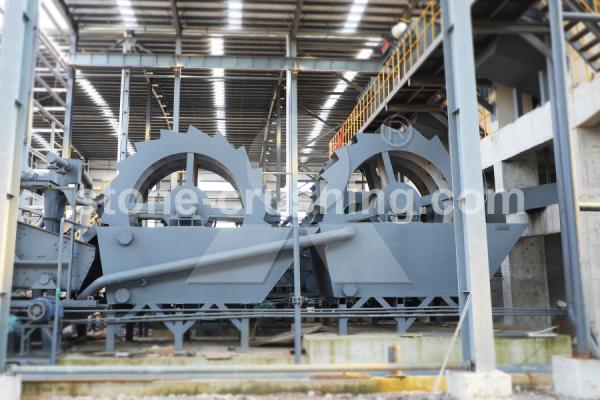
The primary objective of an iron ore crushing washing plant is to increase the grade and reduce the impurities of the ore, making it suitable for further processing. The process involves crushing the ore into smaller pieces, which enhances the surface area for subsequent washing. Washing the ore involves the removal of impurities such as alumina and silica, which can reduce the quality of the final product and increase energy consumption during the steelmaking process.
One of the key advantages of an iron ore crushing washing plant is its ability to maximize resource utilization. By removing impurities, the plant allows for the utilization of a higher percentage of the extracted ore, reducing the need for additional mining activities. This not only preserves the mineral resources but also mitigates the environmental impact of mining activities, such as deforestation and habitat destruction. Moreover, resource optimization leads to improved operational efficiency and cost-effectiveness for the company.
Another significant benefit of iron ore crushing washing plants is their contribution to water conservation. The traditional beneficiation processes consume vast amounts of water, an increasingly scarce resource in many regions. By implementing a washing plant, companies can recycle and reuse the water used during the process, minimizing their freshwater intake and reducing the strain on local water sources. This sustainable water management approach aligns with global efforts to achieve water security and combat water scarcity.
Furthermore, iron ore crushing washing plants contribute to the reduction of greenhouse gas emissions. The availability of higher-grade ore, obtained through efficient washing techniques, enables steel producers to reduce their energy consumption during the steelmaking process. This, in turn, leads to a decrease in both the carbon footprint and operating costs associated with steel production. The use of cleaner and energy-efficient ore enhances the industry's sustainability and supports its transition towards a low-carbon future.
In summary, iron ore crushing washing plants offer a sustainable solution for resource optimization in the steel industry. By maximizing resource utilization, conserving water, and reducing greenhouse gas emissions, these plants address the environmental challenges associated with iron ore extraction and processing. As the demand for steel continues to rise, implementing such technologies becomes imperative for companies to meet the growing needs while minimizing their ecological footprint. It is crucial for governments, industry players, and stakeholders to support the adoption of iron ore crushing washing plants and promote their integration into standard operational practices.



