Language Spare Parts Google Views

The utilization of stone crusher plants is indispensable in the construction industry as they produce the base material for building structures, roads, and highways. However, installing a stone crusher plant requires careful planning and coordination to ensure the project is completed on time and within budget. In this article, we will discuss the key considerations and steps involved in the installation of a stone crusher plant.
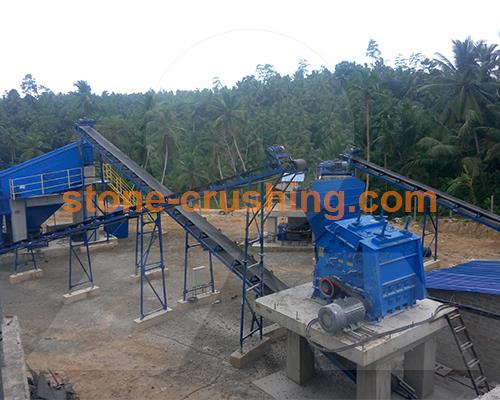
1. Site Selection:
Choosing the right location for the installation of a stone crusher plant is crucial. Factors to consider include proximity to raw materials, availability of utilities (water and electricity), and adherence to local zoning regulations. The site should also be easily accessible for transportation of materials and equipment.
2. Legal and Regulatory Compliance:
Prior to commencing any construction activities, it is essential to obtain all the necessary permits and licenses from local authorities. Environmental impact assessments and relevant clearance certificates should be acquired to ensure compliance with environmental regulations.
3. Clearing and Grading:
Before installation, the site must be properly cleared and graded to create a stable foundation for the plant. Vegetation, debris, and any obstacles must be removed, and the ground should be leveled to ensure a smooth and even surface.
4. Foundation Construction:
The construction of a solid and robust foundation is crucial for the long-term stability of the stone crusher plant. A reinforced concrete foundation or a steel frame with adequate footings should be constructed based on the specific requirements of the machinery. The foundation should be designed to withstand the vibrations and loads generated during the operation of the crusher.
5. Machinery and Equipment:
Careful selection and procurement of high-quality machinery and equipment are essential for the efficient functioning of the stone crusher plant. Consider factors such as capacity, power requirements, ease of maintenance, and compatibility with existing infrastructure. Engage reputable suppliers and conduct thorough inspections to ensure the equipment meets or exceeds industry standards.
6. Electrical and Plumbing Installations:
Proper electrical and plumbing installations are necessary to ensure a safe and reliable operation of the stone crusher plant. Engage qualified electricians and plumbers to install the necessary systems, including wiring, outlets, control panels, and piping. Adequate provision for power backup and water supply must also be considered to avoid disruptions in plant operations.
7. Conveyor Belt Setup:
If the stone crusher plant involves the use of conveyor belts for material transport, proper setup and alignment of the belts are crucial. Ensure that the belts are appropriately tensioned and oriented to prevent slippage and material spillage. Regular maintenance and inspections should be conducted to identify and rectify any issues promptly.
A well-planned and executed installation of a stone crusher plant is essential for successful construction projects. Proper site selection, adherence to regulations, foundation construction, procurement of reliable machinery, and installation of necessary systems are key aspects to consider. By following these steps, construction companies can ensure the efficient operation of the crusher plant, reducing project delays and maximizing productivity.



