Language Spare Parts Google Views

When it comes to building and maintaining railway infrastructure, ballast plays a crucial role. Ballast is the crushed stone that forms the track bed and provides stability to the railway tracks. For many years, impact crushers have been an integral part of ballast production, ensuring the production of high-quality and durable ballast materials. In this article, we will explore the significance and benefits of using impact crushers in the ballast production process.
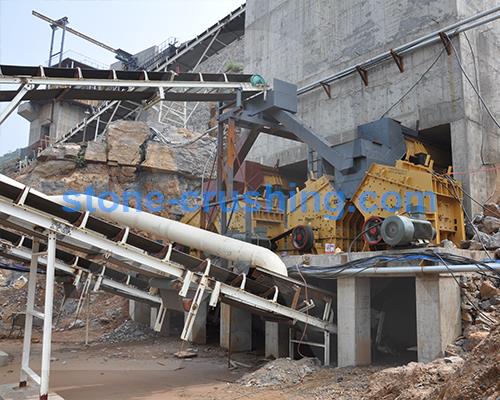
1. What are Impact Crushers?
Impact crushers are heavy-duty machines designed to crush materials using the impact of a rotating hammer-like structure. These machines utilize a rotor that revolves at high speed, striking the materials fed into the crusher chamber. The impact of the rotating hammers breaks down the rocks or stones into smaller pieces, resulting in the production of high-quality ballast.
2. Significance in Ballast Production:
2.1. Efficient Crushing Process:
Impact crushers are known for their ability to crush hard and abrasive materials efficiently, making them ideal for ballast production. By breaking down the rocks into smaller sizes, impact crushers ensure the production of uniform and consistent ballast. This high level of efficiency reduces waste material and allows for more effective utilization of resources.
2.2. Versatile Application:
Impact crushers are designed to handle a wide range of materials, from soft to hard rocks. This versatility allows for the production of ballast from various stone types, ensuring the availability of suitable materials irrespective of the geographical location. This adaptability is particularly advantageous in areas where multiple types of rocks are available.
2.3. Cost-Effective Solution:
Investing in impact crushers for ballast production is a cost-effective solution for railway infrastructure projects. The durability and longevity of high-quality ballast produced by these crushers reduce the need for frequent maintenance and track repairs. Additionally, the efficient crushing process minimizes energy consumption, further reducing operational costs.
3. Key Benefits of Impact Crushers for Ballast Production:
3.1. Quality Consistency:
Impact crushers ensure the production of consistent and uniform ballast, essential for the stability and safety of railway tracks. The controlled crushing process eliminates irregularities in the ballast, reducing the risk of track deformations and hazards. Ensuring the highest quality materials also prolongs the lifespan of the railway infrastructure.
3.2. Environmental Considerations:
Impact crushers promote environmental sustainability by minimizing dust and noise pollution during the crushing process. Equipped with advanced systems to suppress dust emissions, these machines contribute to maintaining air quality in and around construction sites. Furthermore, reduced noise levels protect the well-being of workers and nearby communities.
3.3. Minimal Maintenance and Downtime:
Impact crushers are designed to withstand heavy-duty usage, ensuring minimal downtime for maintenance and repairs. Their robust construction and reliable components significantly reduce the risk of unexpected breakdowns, resulting in uninterrupted ballast production. This reliability allows construction projects to adhere to strict timelines and minimize operational disruptions.
Impact crushers have revolutionized ballast production in railway infrastructure projects. Their ability to efficiently crush various types of rocks into high-quality ballast ensures the stability and longevity of railway tracks. The cost-effectiveness, versatility, and environmental benefits offered by impact crushers make them an indispensable tool in modern railway construction.
By recognizing the significant role impact crushers play in ballast production, engineers and construction professionals can better leverage the advantages these machines offer. As railway networks continue to grow worldwide, investing in advanced crushing technology will ensure safer, more durable, and sustainable railroad infrastructure.



