Language Spare Parts Google Views

Impact crushers are widely used in the mining, quarrying, and recycling industries to break down various materials into smaller, more manageable sizes. One crucial factor that impacts their performance and efficiency is the material hardness that they encounter during the crushing process. In this article, we will explore the significance of material hardness for impact crushers and discuss how it affects their overall operation.
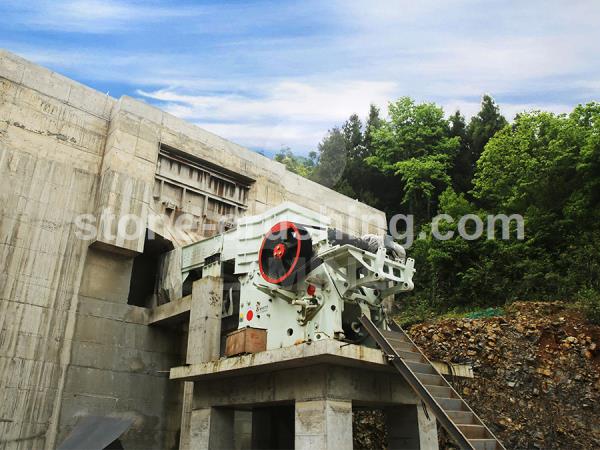
Material hardness refers to the ability of a substance to resist deformation or indentation under applied pressure. In the context of impact crushers, it determines the level of resistance that the material being crushed exerts against the rotating hammers or impact plates inside the crusher chamber.
Several factors contribute to the hardness of the material, including its composition, structure, and processing method. Minerals such as quartz, granite, and basalt are generally considered hard materials due to their high silica content and strong molecular bonds. On the other hand, materials like limestone and gypsum tend to be softer and more brittle.
1. Crushing Efficiency:
The hardness of the material being crushed directly affects the efficiency of the impact crusher. Harder materials require more energy to break down, resulting in increased wear on the crusher components and reduced throughput. Therefore, understanding the material hardness can help optimize the crusher's performance by adjusting the operational parameters accordingly.
2. Wear and Tear:
As impact crushers repeatedly subject the materials to high-speed impacts, the forces involved can cause significant wear and tear on the machine's internal parts. When dealing with harder materials, the crusher's components, such as the hammerheads or blow bars, may wear out more rapidly, reducing their overall lifespan. Consequently, selecting the appropriate crusher and adjusting the impactor's settings can help prolong the equipment's durability and minimize maintenance costs.
3. Particle Shape:
Material hardness can influence the final particle shape produced by the impact crusher. Softer materials tend to produce more elongated and irregular particles, while harder materials tend to create more cubical and well-defined particles. Particle shape plays a vital role in various applications such as concrete production and asphalt recycling, where particle uniformity is necessary for optimal performance.
Understanding the impact of material hardness on the performance of impact crushers is crucial for achieving enhanced crushing efficiency, prolonging the equipment's lifespan, and producing desired particle shapes. By considering the material's hardness, operators can make informed decisions about the appropriate crusher selection, operational parameters, and maintenance strategies.
To summarize, material hardness directly affects an impact crusher's ability to break down materials efficiently and effectively. By optimizing the impactor's settings and choosing the right crusher for specific applications, operators can ensure maximum productivity and durability.



