Language Spare Parts Google Views

The stone crushing industry plays a crucial role in the construction sector, providing essential raw materials for various infrastructure projects. If you're considering venturing into this industry, starting a stone crusher can be a rewarding endeavor. However, before diving into the world of stone crushing, it's important to understand the necessary steps and considerations involved. In this article, we will provide you with a comprehensive guide on how to start a stone crusher successfully.
1. Conduct Extensive Market Research: Before launching your stone crushing business, it's crucial to conduct thorough market research. Identify the demand for crushed stones in your target area, including potential customers such as construction companies, contractors, and local authorities. Understanding the market dynamics and competition will help you develop an effective business strategy.
2. Obtain Necessary Permissions and Licenses: To start a stone crusher legally, you must obtain various permissions and licenses from the relevant authorities. Contact your local government or regulatory bodies to understand the specific requirements and regulations. Common permits include a mining lease, environmental clearance, and consent to establish from pollution control boards.
3. Identify Suitable Location: Selecting an appropriate location for your stone crusher is vital for its success. Consider factors such as proximity to raw material sources, accessibility, and distance from residential areas. Ensure that the location has ample space for storing raw materials and finished products, as well as facilities for machinery and equipment.
4. Secure Funding: Starting a stone crusher requires a significant amount of capital investment. Create a detailed business plan outlining your financial requirements, including equipment purchase, working capital, and operational expenses. Explore funding options such as bank loans, investors, or government schemes to secure the necessary funds.
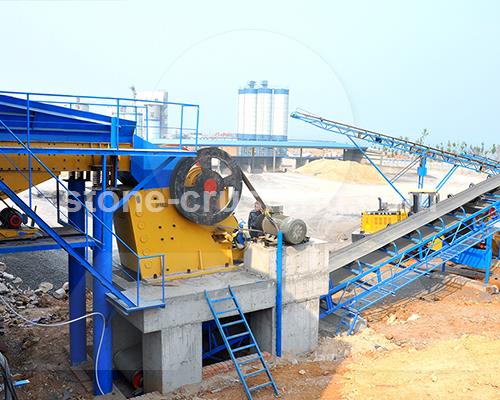
5. Procure Essential Equipment: The core equipment required for stone crushing includes a primary crusher, secondary crusher, vibrating screens, conveyors, and storage bins. Choose reliable and high-quality machinery suitable for the type of stones you intend to crush. Consult with experts or hire professionals to ensure you select the right equipment for your specific needs.
6. Hire Skilled Workforce: Running a stone crusher requires a team of skilled professionals. Employ experienced operators, mechanics, and maintenance staff to ensure smooth operations and timely maintenance of the machinery. Invest in proper training and provide a safe working environment to enhance productivity and minimize accidents.
7. Implement Safety Measures: Stone crushing involves heavy machinery and potentially hazardous tasks. Prioritize safety by implementing appropriate measures. Conduct regular inspections, provide personal protective equipment (PPE), and train your workforce on safety protocols. Comply with all applicable safety regulations to protect your employees and maintain a secure work environment.
8. Establish Strong Supplier Relationships: Maintaining a reliable supply of raw materials is crucial for a stone crushing business. Build strong relationships with local suppliers of stones, aggregates, and other materials. Negotiate favorable contracts to ensure a steady supply and competitive pricing.
9. Develop Marketing Strategies: To establish your presence in the market, develop effective marketing strategies. Create a professional website, leverage social media platforms, and participate in industry exhibitions or trade fairs. Network with potential customers, contractors, and industry professionals to generate leads and secure contracts.
Starting a stone crusher business requires careful planning, research, and adherence to regulatory requirements. By following the steps outlined in this guide, you can lay a strong foundation for a successful venture. Remember to prioritize safety, invest in high-quality equipment, and build strong relationships with suppliers and customers. With dedication and perseverance, your stone crushing business can thrive in the competitive construction industry.



