Language Spare Parts Google Views

In today's modern world, technology has made significant advancements in various industries, including mining and construction. Stone crusher machines have become essential equipment in many areas, such as mining, smelting, building materials, highways, railways, water conservancy, and stone industries. The rapid growth of the industrial sector has translated into a high demand for these machines, which can pose potential hazards for workers if not properly managed. It is crucial to understand and address the hazards associated with stone crusher machines to ensure the safety of workers and the overall well-being of the industry.
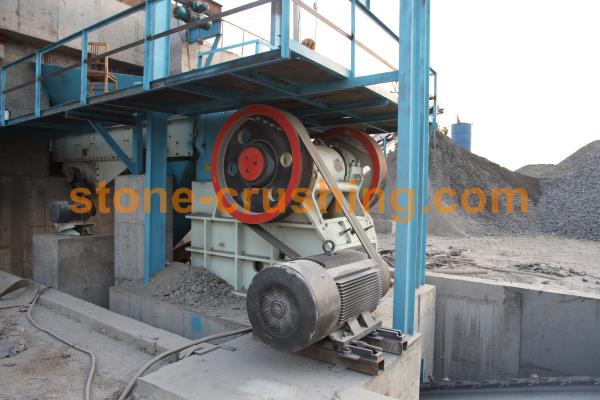
1. Crushing Operation Hazards
One of the primary hazards encountered in stone crusher machines is crushing operation. Accidental contact between rotating components and body parts, such as hands or fingers, can cause severe injuries or even amputations. To mitigate this risk, it is essential to implement proper safety measures, including the installation of guards, safety switches, and emergency stop buttons. Furthermore, thorough training should be provided to equipment operators to prevent them from exposing themselves to danger.
2. Inhalation of Dust and Particles
The process of crushing stones generates a substantial amount of dust and particles, which can pose a serious hazard to the respiratory system. Fine particles containing silica have been linked to diseases such as silicosis, lung cancer, and pulmonary fibrosis. Employers must ensure the availability of appropriate respiratory protection equipment for workers, such as masks or respirators, and implement dust control measures, including water sprays or ventilation systems, to minimize inhalation risks.
3. Noise and Vibration Hazards
Stone crusher machines produce high levels of noise and vibrations, which can have detrimental effects on workers' health. Prolonged exposure to high levels of noise can cause hearing loss and other hearing-related issues. Vibrations from the machines can lead to musculoskeletal disorders, such as hand-arm vibration syndrome. To minimize these hazards, employers should provide adequate hearing protection, conduct regular noise assessments, and implement engineering controls to reduce noise levels and vibration transmission.
4. Slips, Trips, and Falls
The working environment around stone crusher machines can be hazardous, with various obstacles and uneven surfaces. Consequently, workers may be at risk of slips, trips, and falls, leading to injuries such as sprains, fractures, or head trauma. Regular cleaning and maintenance of the workspace, proper signage, and the use of anti-slip flooring materials can significantly reduce these hazards and promote a safer working environment.
While stone crusher machines are pivotal in various industries, it is crucial to acknowledge and address the inherent hazards associated with them. Implementing appropriate safety measures and providing comprehensive training to workers are essential steps to mitigate these risks effectively. Employers and industry stakeholders must prioritize the well-being of workers by investing in proper guarding, dust control systems, hearing protection, and regular maintenance. Ultimately, by taking precautions and adhering to safety guidelines, we can ensure that the stone crushing industry continues to flourish while prioritizing the health and welfare of those working with these machines.



