Language Spare Parts Google Views

Stone crushing is a demanding task that involves a large amount of manual labor. As the name suggests, the machines used to break down stones create massive amounts of dust, which can lead to respiratory problems and other health hazards. This article explores the hazards associated with stone crushers, their impact on the environment, and the necessary precautions to mitigate these risks.
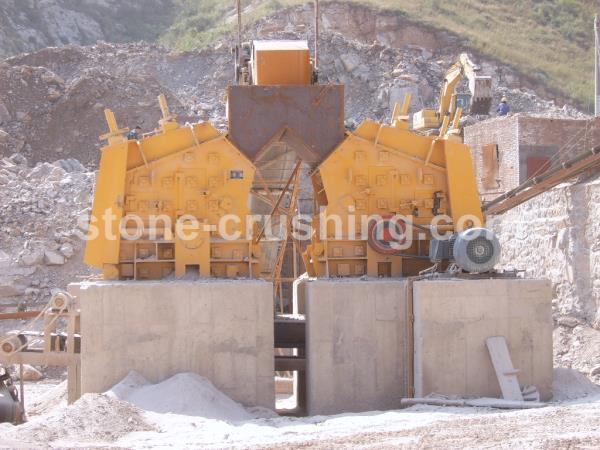
1. Respiratory Health Hazards:
One of the primary hazards associated with stone crushing operations is the generation of dust. Fine dust particles, also known as respirable crystalline silica, can penetrate deep into the lungs when inhaled. Prolonged exposure to such dust can lead to various respiratory conditions, including silicosis, lung cancer, and asthma. Workers involved in stone crushing must wear appropriate personal protective equipment (PPE), such as respiratory masks, to minimize their exposure to harmful dust particles.
2. Noise Pollution:
Stone crushers operate at high noise levels due to the crushing and grinding of stones. Long-term exposure to excessive noise can lead to hearing loss and other auditory problems. It is crucial to implement noise control measures in stone crusher plants, such as enclosing the equipment and installing sound barriers to reduce noise emissions. Additionally, regular maintenance and proper lubrication of machinery can help minimize noise levels.
3. Musculoskeletal Injuries:
The physical labor involved in stone crushing can result in various musculoskeletal injuries, including back pain, repetitive strain injuries, and hand-arm vibration syndrome. Workers must be provided with ergonomically designed equipment and proper training to prevent these injuries. Regular breaks and implementing rotational work shifts can also help reduce the risk of such injuries.
4. Accidental Injuries:
Stone crushers consist of heavy machinery that poses a potential danger to workers if not operated with caution. Crushing accidents can result in severe injuries or even fatalities. Employers must prioritize safety training and establish strict protocols to ensure workers follow proper procedures when operating stone crushers. Adequate signage, guardrails, and personal protective equipment should be provided to minimize the risk of accidents.
5. Environmental Impact:
Apart from the health hazards to humans, stone crushing activities can also have adverse environmental consequences. Dust emissions can have a detrimental effect on air quality, leading to respiratory problems in nearby communities. The operation of stone crushers may also contribute to soil erosion, water pollution, and habitat destruction. Implementing effective dust suppression techniques, regularly maintaining equipment to minimize emissions, and practicing responsible waste management are crucial to mitigating these environmental hazards.
The hazards associated with stone crushers are numerous, both for workers operating the machinery and for the environment surrounding the construction sites. Strict adherence to safety protocols and the implementation of preventive measures can go a long way in minimizing these risks. Employers must prioritize the health and safety of their workers by providing appropriate training, personal protective equipment, and maintaining equipment in good working condition.



