Language Spare Parts Google Views

Gold mining involves a series of complex steps to extract the precious metal from its ore. One of the critical initial stages in gold ore processing is the primary crushing stage. This phase plays a significant role in breaking down large pieces of gold ore into manageable sizes for subsequent processing steps. In this article, we'll explore the gold ore process flow diagram with a focus on primary crushing and how it fits into the larger gold extraction workflow.
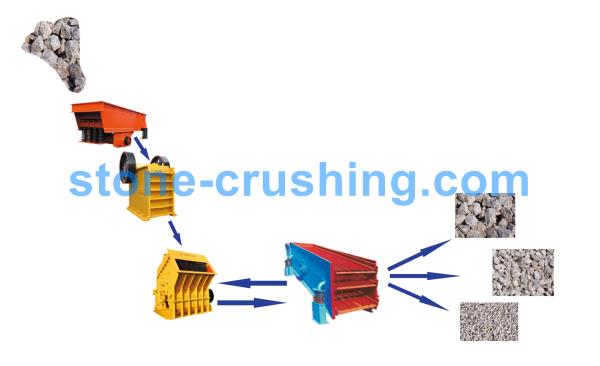
Primary crushing refers to the first step in the ore reduction process. The mined ore is transported from the mine site to the primary crusher, which is typically a jaw crusher or gyratory crusher. The goal here is to reduce large lumps of ore mined directly from the quarry or open-pit mine into smaller chunks that are easy to handle and move further down the processing chain.
- Size Reduction: Large ore pieces, often exceeding1 meter, are reduced to sizes (typically under 150-200 mm) that can be easily handled by secondary crushers or grinding machines.
- Improved Efficiency: Crushing ore before grinding reduces energy consumption, since smaller particles require less grinding time.
- Facilitates Material Handling: Smaller ore sizes improve the effectiveness of conveyors, feeders, and feeders that transport the material downstream.
Below is a simplified overview of a typical gold ore process flow diagram including the primary crushing stage:
1. Mining: Gold ore is extracted via open-pit or underground mining.
2. Transportation: Ore is transported from the mining site to the processing plant.
3. Primary Crushing:
- Jaw Crusher/Gyratory Crusher: Receives large rocks from the mine.
- Crusher breaks down ore to a manageable size (around 150-200 mm).
4. Secondary Crushing (optional): Further size reduction (to 20-30 mm) if required for grinding.
5. Grinding/Milling: Crushed ore is milled to fine particles, often below 150 microns, typically via ball mills or SAG (Semi-Autogenous Grinding) mills.
6. Ore Concentration:
- Gravity separation, flotation, or cyanidation individually or combined depending on the nature of the ore.
7. Leaching and Recovery: Gold is extracted from the ore concentrate, often using cyanide leaching followed by carbon adsorption or electrowinning.
8. Refining: Final purification of gold for sale or further use.
- Ore Hardness: Some gold ores are very hard or abrasive, requiring robust crushers.
- Feed Size: Design of the crusher must accommodate the expected ore size from the mine.
- Capacity: The crusher’s throughput capacity should meet the mine’s production targets.
- Crusher Type: Jaw crushers suit large rocks, while gyratory crushers might be preferred for large-scale operations.
Primary crushing is a vital step in the gold ore processing flow that directly impacts the efficiency of subsequent grinding and concentration stages. Understanding the role and mechanics of primary crushing will help mining engineers and plant operators optimize gold extraction and improve overall operational profitability.
Whether you are designing a new gold processing plant or optimizing an existing one, ensuring efficient primary crushing should always be a priority.



