Language Spare Parts Google Views

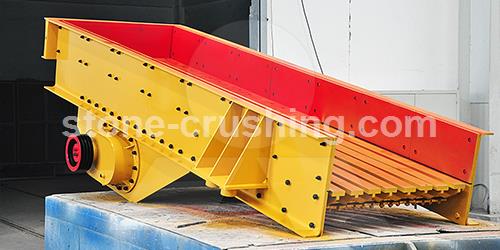
Rock crushers are machines that crush large rocks into smaller pieces for various applications. They are commonly used in the mining, construction, and recycling industries, among others. A key component of any rock crusher is the feeder, which controls the flow of material into the crusher. In this article, we will discuss the different types of feeders for rock crushers, their benefits, and the factors to consider when choosing one.
1. Vibrating Grizzly Feeder (VGF): This type of feeder consists of a vibrating frame that grizzly bars at the top, which help to segregate large rocks from smaller ones. The VGF is commonly used in primary crushing applications because it can handle large rocks and reduce the load on the crusher.
2. Apron Feeder: This feeder has a series of overlapping steel plates that move on a chain conveyor, resulting in a uniform feed rate. The apron feeder is commonly used in heavy-duty applications, such as mining, as it can handle large volumes of material.
3. Belt Feeder: As the name suggests, this feeder consists of a conveyor belt that transports the material to the crusher. Belt feeders are commonly used in recycling and mining applications for their easy maintenance and ability to handle various types of material.
1. Increased Efficiency: Feeders improve the efficiency of rock crushers by controlling the flow rate of material to the crusher. This, in turn, reduces the wear and tear on the crusher and prolongs its lifespan.
2. Reduced Maintenance Costs: Feeders help to reduce the maintenance costs of rock crushers by preventing the crusher from being overloaded with material. This reduces the need for repairs and replacements.
3. Improved Safety: Feeders enhance the safety of rock crushers by regulating the flow rate of material, which prevents the crusher from being overloaded or jammed. This reduces the risk of accidents and injury to personnel.
1. Type of Material: The type of material being processed will determine the type of feeder required. For instance, heavy-duty applications such as mining require a feeder that can handle large volumes of material.
2. Size of Material: The size of the material being processed also determines the type of feeder required. Large rocks require a feeder with a vibrating grizzly to segregate them from smaller rocks.
3. Capacity: The capacity of the feeder should match that of the crusher to maintain a steady flow of material.
As a result, feeders are an essential component of rock crushers that help to improve their efficiency, reduce maintenance costs, and enhance safety. When selecting a feeder, it is important to consider the type of material, size of the material, and capacity to ensure efficient and safe operations.



