Language Spare Parts Google Views

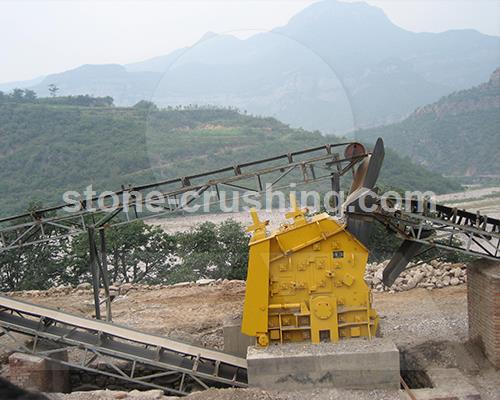
Aggregate crushing plants are essential components of the construction industry. They are responsible for producing the raw material needed in roads, bridges, airports, and building foundations. However, these plants have a significant impact on the environment, as they emit various pollutants during their operation. In this article, we will examine the environmental impact of aggregate crushing plants and explore ways to mitigate their effects.
One of the significant environmental impacts of aggregate crushing plants is air pollution. The dust generated during the crushing process can spread and become airborne, causing respiratory problems for workers and neighboring communities. To reduce this type of pollution, plants can install dust suppression systems, such as water sprays or stone treatments, to prevent particles from becoming airborne.
Water pollution is another significant environmental impact of aggregate crushing plants. The washing of crushed materials produces wastewater, which can contain harmful chemicals and heavy metals. Plants must have proper wastewater treatment systems in place to remove contaminants before releasing the water into the environment. Additionally, plants can reduce water usage by using recycled water or installing closed-loop systems that reuse water.
Noise pollution is also a concern associated with aggregate crushing plants. The operation of heavy machinery and equipment generates noise levels that can be harmful to the health of workers and the surrounding community. Plants can mitigate this type of pollution by installing sound barriers or using quieter equipment.
Transportation is another aspect of aggregate crushing plants that impact the environment. The transportation of raw materials and finished products by trucks emits pollutants and can cause traffic congestion, leading to increased emissions. To reduce transportation-related pollution, plants can use alternative modes of transportation, such as rail or water transportation, or relocate closer to their customers to reduce transportation distances.
Finally, aggregate crushing plants can impact the local wildlife and vegetation. Construction activities can result in the removal of habitats for plants and animals, causing ecological imbalances. To mitigate this impact, plants can conduct environmental impact assessments and implement mitigation measures, such as planting trees, preserving natural habitats, or using sustainable construction materials.
To finish, aggregate crushing plants are crucial to the construction industry but have a significant impact on the environment. To mitigate the negative effects of these plants on the environment, various measures can be taken, including the use of dust suppression systems, proper wastewater treatment, sound barriers, and alternative transportation modes. Additionally, plants can conduct environmental impact assessments and implement mitigation measures to help preserve natural habitats. By adopting these measures, we can continue to meet the demands of the construction industry while reducing our impact on the environment.



