Language Spare Parts Google Views

Stone crushing is the process of crushing large stones into smaller stones, gravel or rock dust, which is vital in the construction industry. However, it has its disadvantages as it can cause respiratory illnesses, skin issues, and noise pollution.
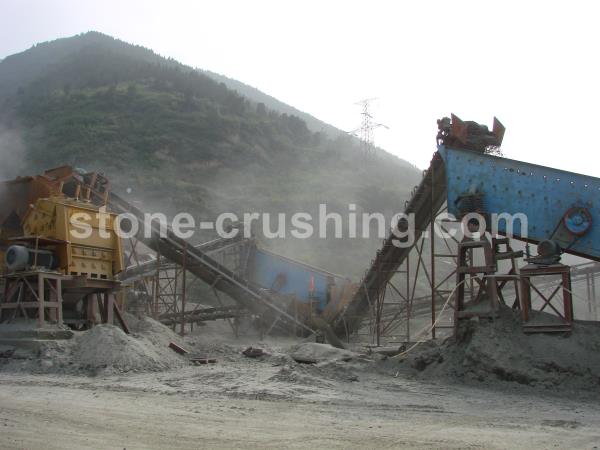
One of the major disadvantages of stone crushing is the health concerns associated with it. Workers who are exposed to high levels of dust and noise for an extended period are prone to respiratory illnesses such as silicosis, a lung disease caused by inhaling small particles of crystalline silica. The particles produced during the crushing process can also cause skin irritation and eye irritation.
Additionally, stone crushing machines generate a lot of noise, which can be a major source of noise pollution. The constant noise can lead to hearing loss, sleep disturbances, and even psychological problems among the workers.
Stone crushing can also have a negative impact on the environment. The process of extracting and crushing stones requires high amounts of energy, which leads to the emission of greenhouse gases, contributing to global warming. Furthermore, the extraction of stones can cause soil erosion and deforestation, which destroys the natural habitat of wildlife.
Moreover, the process of stone crushing is a significant source of dust emissions, which can cause respiratory problems, especially for the surrounding community. The dust can also settle on crops and water sources, contaminating them with harmful particles that can lead to serious health problems.
Therefore, although stone crushing is essential in the construction industry, it has its disadvantages. The health concerns associated with it can expose the workers to respiratory illnesses and skin issues. It can also be a significant source of noise pollution, negatively affecting the workers' health and well-being. The process of stone crushing can also contribute to the emission of greenhouse gases, soil erosion, deforestation and negatively affect the surrounding environment. Therefore, it is necessary to implement measures to mitigate these disadvantages, such as providing workers with protective gear and limiting the amount of dust emitted during the crushing process.



