Language Spare Parts Google Views

Impact crushers have gained significant popularity due to their ability to efficiently crush materials into a desired particle size. However, it is important to acknowledge that these crushing machines also have certain drawbacks that users should take into consideration. In this article, we will explore the disadvantages of impact crushers to help you make an informed decision when considering their use.
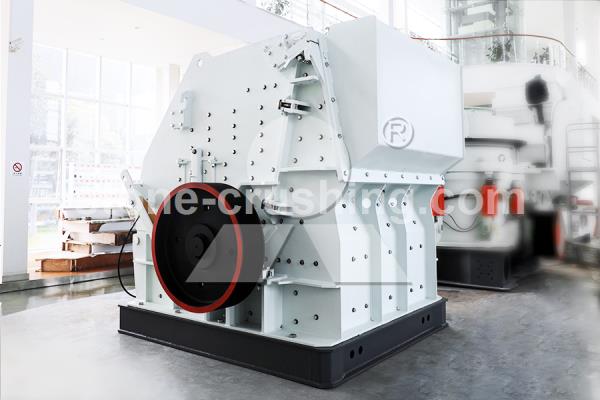
1. High maintenance requirements:
One of the primary disadvantages of impact crushers is their high maintenance requirements. This is particularly true for larger crushers, which require regular inspection, cleaning, and lubrication of key components. Additionally, impact crushers often encounter more wear and tear compared to other crushing machines due to the constant high-velocity impact of the material against the rotor and other vulnerable parts. Consequently, the regular replacement of worn-out parts can be costly and time-consuming.
2. Limited reduction ratio:
Another significant disadvantage of impact crushers is their limited reduction ratio. Unlike other crushing methods such as compression or jaw crushers, impact crushers tend to generate higher amounts of fines. This means that the desired product size may not always be achieved, leading to a higher percentage of undersized or oversized material. To mitigate this drawback, additional screening equipment may be required, adding to the overall cost and complexity of the crushing system.
3. Particle shape limitations:
Impact crushers are known for producing a more cubical-shaped end product compared to other crushing methods. However, this advantage comes with a caveat. The high-speed impact forces applied to the material during crushing can cause micro fractures in the particles, resulting in an increase in the amount of fine particles and irregular shapes. Depending on the application and desired final product specifications, this aspect can be problematic, particularly in certain industries such as concrete production.
4. Energy consumption:
It is essential to consider the energy efficiency of impact crushers as they can consume a significant amount of power during operation. The rotational motion of the rotor requires a substantial input of energy to generate the necessary impact forces. Although newer models may feature improved energy efficiency, impact crushers generally consume more energy compared to other crushing methods such as cone or gyratory crushers. This can result in higher operational costs, particularly in applications with high throughput requirements.
5. Noise and dust emissions:
Impact crushers tend to generate high levels of noise and dust during operation, which can be a significant disadvantage in some environments. The noise levels produced by impact crushers can exceed regulatory limits, resulting in potential health hazards for operators and nearby residents. Additionally, the production of dust particles can create a risk of respiratory issues and environmental pollution if not properly controlled.
While impact crushers offer several advantages in terms of efficient and effective crushing, it is crucial to consider their disadvantages before committing to their use. The high maintenance requirements, limited reduction ratio, particle shape limitations, high energy consumption, and potential noise and dust emissions must be carefully examined to ensure they align with the specific needs and constraints of your application. It is always recommended to consult with industry experts to analyze your requirements and determine the most suitable crushing equipment for optimal results.



