Language Spare Parts Google Views

Iron ore is a vital raw material used primarily in the production of steel, making it an essential component in construction, manufacturing, and various industries. Understanding the detailed process of iron ore mining and crushing is not only significant for industrial professionals but also fascinating for enthusiasts interested in mining operations.
1. Exploration and Extraction
The journey of iron ore begins with exploration. Geologists use a combination of methods, including satellite imaging, geological surveys, and drilling, to locate viable iron ore deposits. Once a promising site is identified, mining companies declare the area and begin preparations for extraction.
- Open-pit Mining: This involves removing surface vegetation, soil, and overburden to access the ore body near the surface. Open-pit mining is preferred when the ore deposit is extensive and close to the surface.
- Underground Mining: Used when ore bodies lie deep beneath the surface, underground mining involves creating tunnels and shafts to extract the ore.
2. Drilling and Blasting
In both mining methods, drilling and blasting are crucial steps to break large chunks of iron ore rock into manageable sizes. Heavy-duty drills create holes in the rock, where explosives are inserted and detonated. The blast fractures the rock, enabling easier excavation.
3. Excavation and Transportation
Following blasting, excavators, bulldozers, and loaders collect the fragmented ore and load it onto dump trucks or conveyors. The iron ore is transported either to the processing plant or stockpile areas near the mine site. Efficient transportation systems are key to minimizing delays and reducing operational costs.
4. Crushing
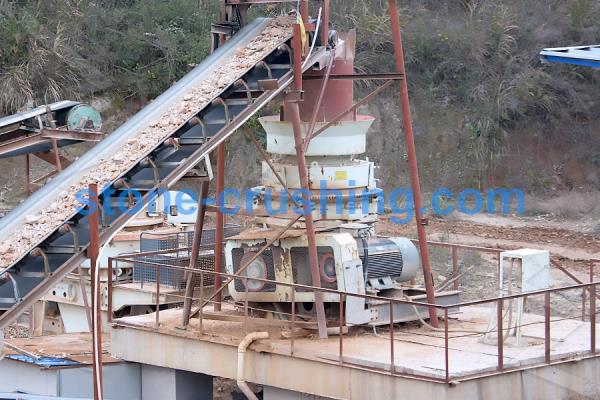
The crushing phase is vital to reduce the large chunks of raw iron ore into smaller pieces suitable for the subsequent processing stages. Crushing typically involves two or more stages, depending on the ore hardness and size specification.
- Primary Crushing: Huge jaw crushers or gyratory crushers take the large rocks and crush them into smaller sizes, typically 6-10 inches.
- Secondary Crushing: Cone crushers or impact crushers further reduce the size of primary crushed ore to smaller granular sizes ranging between 0.5 and 3 inches.
Crushing aims to reduce the size of the ore to facilitate the separation of iron minerals from impurities in later steps, such as grinding and beneficiation.
5. Screening
After crushing, the ore passes through vibrating screens to separate particles by size. Oversized materials are sent back for re-crushing. This step ensures uniformity before the ore moves on to grinding.
6. Grinding and Beneficiation (Brief Overview)
Though beyond crushing, it's worth noting that after crushing, ore goes through grinding mills where particles are ground to a fine powder. Then beneficiation processes like magnetic separation, flotation, or gravity separation remove waste materials and enrich the iron content.
The process of mining iron ore is a complex and systematic operation requiring careful planning and execution. Crushing is a critical intermediate stage that prepares the ore for further processing by reducing its size and facilitating the liberation of iron minerals. Understanding this process highlights the engineering marvels and technological advancements that underpin modern mining industries.



