Language Spare Parts Google Views

Copper, hailed as one of humanity's earliest utilized metals, has played an integral role in shaping civilizations throughout history. From ancient tools and weapons to modern-day electrical infrastructure, its versatility is unmatched. But have you ever wondered about the journey copper takes, from its natural state as raw ore to the refined metal we rely on today? In this article, we delve into the fascinating world of the copper ore crushing process, uncovering the intricacies that transform solid rock into a valuable resource.
Copper is typically found in nature as a sulfide ore, often in combination with other minerals. These ores are extracted from mines and deposits across the globe. The first step in the copper production process involves extracting these ores from the earth's crust.
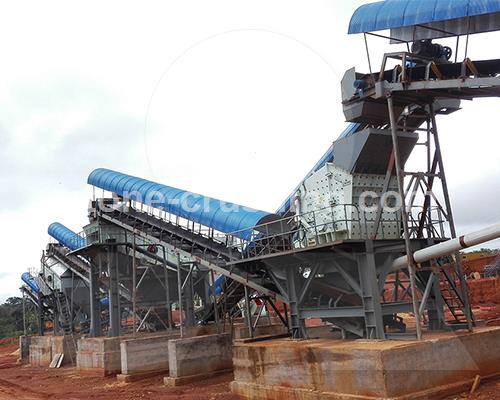
Once copper ores are extracted, they're subjected to a series of mechanical processes collectively known as crushing. This crucial step breaks down the large chunks of raw ore into smaller particles, facilitating subsequent extraction and refinement. The copper ore crushing process involves several stages:
1. Primary Crushing: The extracted ore is first fed into a primary crusher, usually a jaw crusher, where it's reduced to smaller, more manageable pieces.
2. Secondary and Tertiary Crushing: The crushed ore from the primary crusher is further reduced in size through secondary and tertiary crushers, which gradually refine the ore to the desired size for processing.
3. Grinding: After crushing, the ore is often further processed through grinding mills to achieve a finer consistency. This prepares the ore for the subsequent separation processes.
Following the crushing process, copper ores undergo leaching and concentration. Leaching involves using chemicals to extract the copper from the ore, while concentration processes remove impurities and increase the copper content.
The final stages involve smelting and refining, where the concentrated copper ore is transformed into pure copper metal. Smelting involves melting the copper concentrate at high temperatures to separate the copper from other impurities. The refined copper can then be cast into various shapes or used for further applications.
While the copper ore crushing process is integral to copper production, it's important to address the environmental impact. Mining and processing operations can have ecological consequences, including habitat disruption and water pollution. Modern mining practices strive to mitigate these effects through sustainable techniques and responsible waste management.
From the depths of the earth to the heart of our technological advancements, the journey of copper is a testament to human ingenuity. The copper ore crushing process is a vital link in the chain that transforms a rocky resource into the shining metal that powers our world. By understanding this process, we gain insights into the intricate relationship between natural resources, technology, and sustainable practices.



