Language Spare Parts Google Views

The construction industry relies heavily on the utilization of crushing plants to turn raw materials into construction aggregates. These plants play a crucial role in various construction projects, ensuring a continuous supply of high-quality materials. In this article, we will delve into the construction process of a crushing plant, highlighting its key components and providing useful insights for operators and project managers.
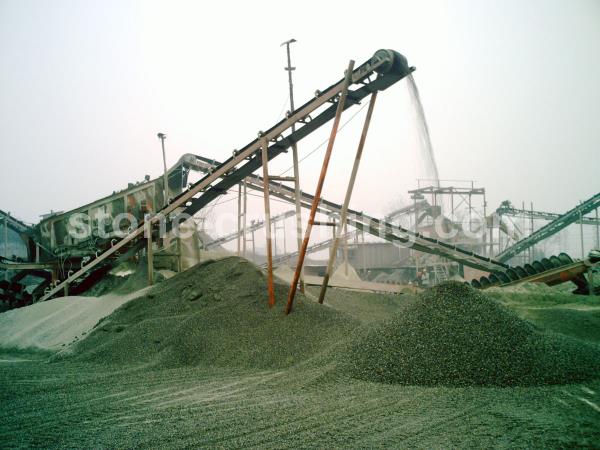
1. Feeder:
The feeder is responsible for transporting raw materials to the primary crusher. It ensures a steady flow of material and prevents blockages, allowing efficient crushing operations to take place.
2. Primary Crusher:
The primary crusher is the heart of the crushing plant. It receives the raw material and reduces its size through compression or impact forces. Common types of primary crushers include jaw crushers, gyratory crushers, and impact crushers.
3. Vibrating Screen:
The vibrating screen separates the crushed materials into different sizes to meet specific requirements. It plays a crucial role in the final product quality by ensuring uniformity and proper gradation of aggregates.
4. Conveyors:
Conveyors transport the crushed materials from one area to another within the crushing plant. They enhance efficiency by reducing the need for manual handling, facilitating the continuous flow of materials during the production process.
5. Secondary Crushers:
Secondary crushers are often used to further refine the crushed materials to achieve the desired particle size. They complement the primary crusher by providing additional stages of crushing.
6. Control Room:
The control room is the nerve center of the crushing plant. Operators monitor and control the entire crushing process from this centralized location. It enables real-time adjustments to optimize production and maintain safety standards.
1. Site Assessment and Preparation:
Prior to construction, a site assessment is conducted to determine the viability of the location for a crushing plant. Factors such as raw material availability, logistics, and environmental considerations are taken into account.
2. Design and Engineering:
The plant layout, equipment selection, and infrastructure design are crucial aspects of the construction process. Collaboration between engineers, architects, and operators ensures an efficient and optimized crushing plant structure.
3. Procurement of Equipment:
Based on the design specifications, equipment sourcing and procurement take place. Working with reputable suppliers ensures the quality and reliability of the machinery used in the crushing plant.
4. Installation and Assembly:
Once the necessary equipment is available, the installation and assembly process begins. This includes machinery positioning, electrical connections, and the integration of control systems.
5. Testing and Commissioning:
After the installation, comprehensive testing is conducted to ensure that all components of the crushing plant function properly. Commissioning involves running the plant at full capacity and fine-tuning its operations to achieve optimal performance.
The construction of a crushing plant involves several crucial steps, from site preparation and equipment selection to installation and commissioning. By focusing on key components such as the feeder, primary crusher, vibrating screen, conveyors, secondary crushers, and the control room, operators can ensure smooth and efficient crushing operations. Proper planning, collaboration, and adherence to quality standards are essential to the successful construction of a crushing plant.



