Language Spare Parts Google Views

Basalt, a common volcanic rock, is gaining immense importance in various industries due to its durability, abundance, and unique physical properties. To extract and utilize the maximum potential of basalt, modern processing plants have become crucial. In this article, we will explore the process of basalt crushing and its significance in building a sustainable future.
1. Basalt: An Overview
Basalt is a dark-colored volcanic rock primarily composed of minerals such as plagioclase feldspar, pyroxene, and olivine. Its high strength, low porosity, and resistance to weathering make it an ideal material for construction, road surfacing, and railway track ballasts.
2. The Need for Basalt Crushing Processing Plants
Basalt crushing processing plants play a vital role in ensuring the efficient conversion of raw basalt into useful construction materials. Through crushing and screening processes, basalt aggregates are produced, which can be used in various applications:
- Construction: Basalt aggregates are used as a primary material in the construction of highways, bridges, airports, and buildings, offering excellent durability and stability.
- Road Surfacing: Crushed basalt is widely utilized as an aggregate in asphalt and concrete mixtures, enhancing the strength, skid resistance, and longevity of road surfaces.
- Railway Ballast: Basalt aggregates act as a solid foundation for railway tracks, ensuring stability, reducing vibration, and facilitating efficient train operations.
- Landscaping: Crushed basalt is often used in landscaping projects as decorative stones due to its unique color and texture.
3. The Basalt Crushing Process
Basalt crushing processing plants employ various machines to produce high-quality basalt aggregates, meeting the specifications required by different industries. The following key steps are involved in this process:
- Basalt Extraction: Basalt is extracted from quarries or mines using different techniques such as blasting, drilling, or mechanical excavation.
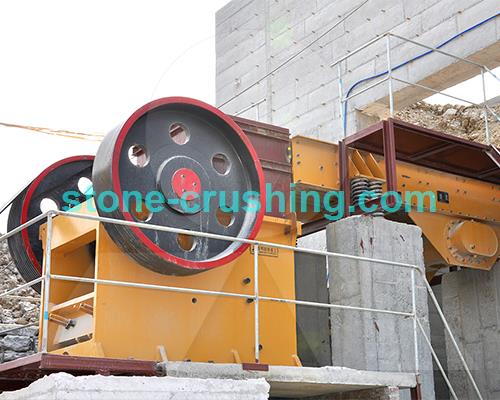
- Primary Crushing: Large basalt rocks are initially crushed into smaller, more manageable sizes using jaw crushers or similar equipment.
- Secondary Crushing and Screening: The crushed basalt is then further processed through secondary crushers, cone crushers, or impact crushers, followed by screening to obtain the desired basalt aggregates.
- Washing and Grading: In some cases, basalt aggregates undergo a washing process to remove impurities and achieve better quality. They are then properly graded based on size and shape to meet specific application requirements.
4. Advantages of Basalt Crushing Processing Plants
- Sustainability: Basalt is a renewable resource that is naturally abundant, making it a sustainable choice for construction materials. Its widespread availability reduces the need for excessive mining and supports the circular economy.
- Durability and Strength: Basalt aggregates offer exceptional durability and mechanical strength, allowing for long-lasting and resilient structures.
- Environmental Benefits: Processing basalt locally reduces transportation distances, decreasing carbon emissions associated with long-haul transportation.
- Cost-effectiveness: Utilizing locally sourced basalt aggregates reduces costs associated with transportation and reliance on imported materials.
Investing in basalt crushing processing plants proves to be a smart move towards building a sustainable future. The utilization of locally sourced basalt aggregates offers numerous benefits in terms of durability, strength, environmental impact, and cost-effectiveness. Industries can leverage basalt's unique properties to construct long-lasting infrastructure while minimizing their ecological footprint.



