Language Spare Parts Google Views

Stone crushing is a common activity in many regions across the globe, including urban and rural areas. However, it poses significant risks to human health and the environment, particularly in areas where the air quality is poor. There are increasing concerns about the impact of stone crusher plants on air quality.
The presence of high concentrations of pollutants such as suspended particulate matter (SPM), fine particulate matter (PM2.5), nitrogen oxides (NOx), sulfur dioxide (SO2), and volatile organic compounds (VOCs) in the ambient air around stone crusher plants can have harmful impacts on human health, vegetation, and wildlife.
Studies have shown that exposure to ambient air pollution can cause respiratory and cardiovascular diseases, lung cancer, stroke, and increased mortality rates. The particulate matter emitted by stone crusher plants can also cause eye and skin irritation, coughing, and difficulty breathing.
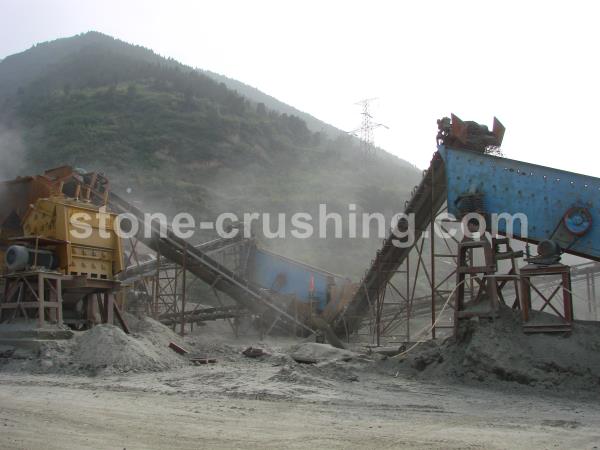
One of the primary sources of air pollution in stone crusher plants is the dust generated during the crushing process. The high concentration of dust in the air around these plants is due to the use of heavy machinery and inadequate dust control measures.
As the demand for stone crushing continues to grow, it is important that measures are taken to mitigate the negative impacts on air quality. Some of the strategies that can be implemented include:
1. Implementing dust control measures: The use of wet suppression systems and enclosed conveyor belts can help to minimize the amount of dust generated during stone crushing. Also, regular maintenance of the machines can help to reduce the dust emissions.
2. Installing air pollution control equipment: This includes devices such as fabric filters, electrostatic precipitators, and scrubbers to reduce the emissions of particulate matter and other pollutants from the plant.
3. Creating green buffers: Planting trees and other vegetation around the crusher plant can help to absorb some of the pollutants and reduce the impact on air quality.
4. Relocation of the plant: In some cases, it may be necessary to relocate the crusher plant to a less populated area to reduce the impact on public health.
5. Regulations: Governments should implement strict regulations on the operation of stone crusher plants, including the use of dust control measures and air pollution control equipment.
All things considered, the air quality around stone crusher plants is a significant concern globally. The harmful impacts of the pollutants emitted by these plants can have negative consequences on human health, vegetation, and wildlife. Effective measures must be taken to mitigate these impacts, including the implementation of dust control measures, air pollution control equipment, green buffers, plant relocation, and regulations. By taking these steps, we will ensure that stone crushing continues to benefit the economy while protecting public health and the environment.



