Language Spare Parts Google Views

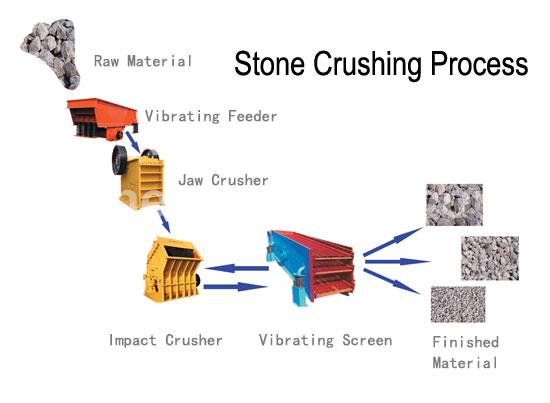
Crushing and sieving are two essential processes in material handling and processing industries. Crushing refers to the process of reducing the size of a material to smaller particles by applying force, whereas sieving involves separating particles of different sizes through a mesh or perforated surface. These processes are critical in various industries such as mining, construction, agriculture, and pharmaceuticals.
In crushing, materials are subjected to external forces such as compression, impact, and attrition to break them down into smaller sizes. The process is important in the mining industry where rocks and ores are extracted from the ground and need to be crushed into smaller particles for further processing. Crushers such as jaw crushers, cone crushers, and impact crushers are commonly used in crushing operations.
On the other hand, sieving involves separating particles of different sizes through a mesh or perforated surface. This process is important in industries such as agriculture where different sizes of grains need to be separated from each other. In the pharmaceutical industry, sieving is used to ensure that only particles of the right size are used in the manufacturing of drugs. Sieves and screens are commonly used in this process.
The combination of crushing and sieving is often used in the construction industry. Crushed materials are sieved to separate particles of different sizes. This ensures that the final product meets the required specifications for use in construction. For example, in road construction, crushed stones of different sizes are used for the base and surface layers. By sieving the crushed stones, the right sizes are separated for each layer, ensuring that the road is strong and durable.
In the end, crushing and sieving are two important processes in material handling and processing industries. They are used to reduce the size of materials and separate particles of different sizes. The processes are critical in industries such as mining, construction, agriculture, and pharmaceuticals. By understanding these processes, manufacturers can produce high-quality products that meet the required specifications for their intended use.



