Language Spare Parts Google Views

In the world of industrial machinery, a hammer mill crusher is an essential part of any manufacturing process. This mill is used to crush a variety of materials, such as limestone, clays, and other minerals, into smaller particles or fine powder. However, an issue that often plagues hammer mills is excessive vibration, which can lead to reduced efficiency, increased maintenance costs, and even structural damage. In this article, we will delve deeper into the causes and effects of vibration in hammer mill crushers and explore potential solutions to mitigate this problem.
There are several factors that can contribute to vibration in hammer mill crushers. One of the primary culprits is an imbalanced rotor, which occurs when the weight distribution of the hammers and the supporting bearings is uneven. This imbalance causes the rotor to rotate unevenly, generating vibrations throughout the entire system. Additionally, worn-out or improperly aligned components, such as hammer pins or bushings, can lead to increased vibration levels.
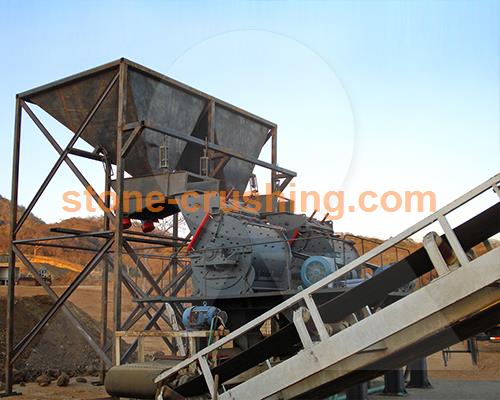
Excessive vibration in hammer mill crushers can have serious consequences on the overall performance of the machine and the manufacturing process. Firstly, it affects the productivity and capacity of the crusher, as the vibrations result in irregular and inefficient particle size reduction. This can lead to inconsistent product quality and increased energy consumption.
Moreover, the constant vibration puts a strain on the machine's structural integrity, leading to premature wear and tear on critical components. The increased maintenance costs associated with replacing damaged parts and the potential for unplanned downtime can significantly impact a company's bottom line.
Maintaining optimal vibration levels in hammer mill crushers involves a combination of proper machine maintenance and the utilization of specialized vibration control technologies. Here are some key strategies to consider:
1. Routine Maintenance: Regularly inspect and replace worn-out or damaged components to ensure proper alignment and balance within the crusher. This includes checking hammer pins, hammers, bearings, and coupling bolts. Following the manufacturer's recommended maintenance schedule is crucial in preventing vibration-related issues.
2. Dynamic Balancing: Employing dynamic balancing techniques helps ensure that the rotor remains in equilibrium during operation. By precisely adjusting the weight distribution of the hammers or adding counterweights, the machine's vibration levels can be significantly reduced.
3. Vibration Dampening Systems: Consider installing vibration dampening systems which effectively isolate the crusher from the surrounding foundation or structure. These systems absorb and dissipate the vibrations, preventing them from being transmitted to other parts of the machine or causing structural damage.
4. Advanced Monitoring Technologies: Employing vibration monitoring systems enables operators to detect and diagnose vibration-related issues in real-time. This proactive approach helps identify potential problems before they escalate, allowing for timely maintenance or adjustments.
Excessive vibration in hammer mill crushers can hinder operational efficiency, increase maintenance costs, and compromise product quality. Implementing appropriate solutions, such as dynamic balancing, routine maintenance, vibration dampening, and advanced monitoring technologies, can lead to improved crusher performance and overall productivity. By prioritizing vibration control, manufacturers can ensure the smooth and efficient operation of their hammer mill crushers, thus enhancing their competitiveness in the industrial market.



