Language Spare Parts Google Views

Jaw crushers play a vital role in the aggregate and mining industries by breaking down large rocks into manageable pieces. One of the most critical components of a jaw crusher is the jaw plate. These plates take the brunt of the crushing force, which inevitably leads to wear and damage over time. Understanding the causes of jaw crusher plate damage and how to prevent it can save time, reduce downtime, and increase the longevity of the equipment.
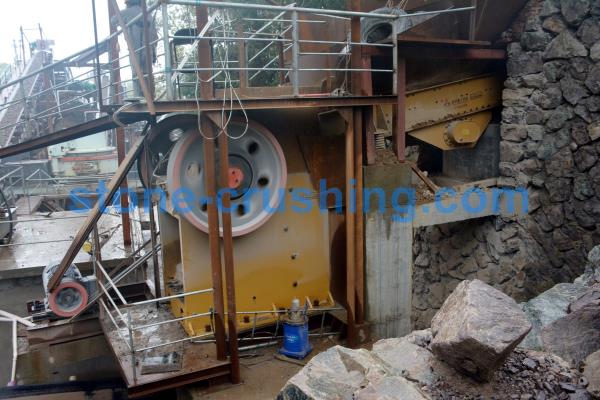
The jaw crusher plate, also known as a jaw die, is typically made of manganese steel or alloy steel and is designed to crush hard stones and ores. There are usually two jaw plates: the fixed jaw plate and the movable jaw plate. The movable jaw plate moves back and forth against the fixed jaw plate to crush the material placed between them.
1. Material Hardness and Abrasiveness:
Crushing particularly hard or abrasive stone materials accelerates wear on the jaw plates. Highly abrasive ores or rocks with sharp, angular shapes tend to scratch and gouge the plates aggressively.
2. Improper Material Feeding:
Uneven or inconsistent feeding of material can cause excessive force on a particular part of the jaw plate, leading to premature wear or even cracking.
3. Incorrect Crusher Settings:
Setting the crusher's closed side setting (CSS) too tight or too loose can put unnecessary strain on the jaw plates. A too-tight setting might cause overloading and fracture, while a too-wide setting may reduce crushing effectiveness and uneven wear.
4. Poor Maintenance:
Neglecting to inspect and maintain the jaw plates regularly allows minor wear to worsen into severe damage. Failing to replace worn plates in time may result in plates breaking apart during operation.
5. Metal Fatigue and Impact Stress:
The constant impact and vibration cause metal fatigue over time, making the jaw plates brittle and susceptible to cracking and breaking.
- Visible cracks or fractures on the plates
- Uneven wear patterns or grooves on the crushing surface
- Reduction in crushing efficiency or capacity
- Increased power consumption due to ineffective crushing
- Unusual noises during operation signaling loose or broken plates
1. Use Wear-Resistant Materials:
Opt for high-quality manganese steel or alloys enhanced with elements such as chromium to improve wear resistance.
2. Proper Material Feeding:
Ensure uniform feeding to distribute crushing force evenly across the jaw plates. Avoid feeding oversized materials that can jam or stress the plates.
3. Regular Inspections and Maintenance:
Schedule frequent checks for wear and damage, especially in high-use situations. Replace jaw plates before wear reaches a critical level.
4. Correct Machine Settings:
Adjust the jaw crusher settings according to the type of material being processed to optimize crushing action and reduce overload.
5. Use of Protective Liners:
Some jaw crushers use liners or wear plates to protect the jaw plates from excessive wear.
If damage is detected, immediate actions include stopping the crusher to prevent further harm. Small cracks might be repaired by welding, but significant wear or breakage demands replacement to avoid compromising the crusher’s performance and safety. It’s advised to work with experienced suppliers or manufacturers for sourcing replacement plates that fit precisely and match the crusher model specifications.
Jaw crusher plates are subjected to intense mechanical stresses, and damage is almost inevitable over time. However, understanding the causes and implementing best practices in operation, maintenance, and materials selection can significantly mitigate damage. Timely intervention and proactive care keep crushers running efficiently, lowering operational costs and downtime.



