Language Spare Parts Google Views

When it comes to the mining and construction industries, stone crushers play a pivotal role in breaking down large rocks into smaller, manageable pieces. Among the critical components that ensure the efficient operation of these machines is the stone crusher hopper feeder. In this article, we will delve into what a hopper feeder is, its importance in the stone crushing process, and some best practices for its maintenance and optimization.
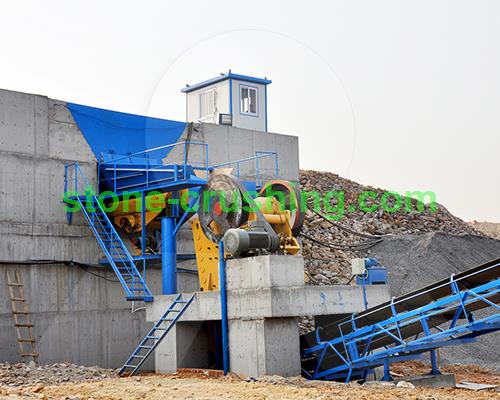
The hopper feeder is a large funnel or container that feeds raw materials into the stone crusher. Positioned at the top of the crusher, it holds the rocks before they are crushed and ensures a continuous flow of material into the machine. Typically made from robust materials like steel, the hopper is designed to withstand the weight of heavy stones and the harsh conditions of mining sites.
The feeder portion consists of a conveyor system or vibrating grizzly that controls the flow rate of the materials being fed into the crusher. Equipped with a series of screens, the feeder can also help separate fine materials from larger stones, allowing only the appropriate size to enter the crusher. This critical function not only improves efficiency but also prolongs the life of the crusher by reducing wear and tear.
1. Efficient Material Handling: The hopper feeder allows for efficient sourcing and placement of raw materials into the crusher. By maintaining a consistent supply, it ensures that the crushing operation runs without interruptions, leading to increased productivity.
2. Controlled Feeding Rate: A controlled feeding rate is essential for optimal performance. The hopper feeder can be adjusted to ensure that the right amount of material reaches the crusher at any given time, preventing overload that might damage the equipment.
3. Separation of Materials: As previously mentioned, the feeder can separate finer particles, ensuring that only the appropriate size stones enter the crusher, thereby increasing crushing efficiency and quality.
4. Safety Precautions: A well-designed hopper feeder mitigates safety risks on site by ensuring that the material is fed in a controlled manner, reducing the likelihood of spillage or accidents associated with the handling and transport of heavy materials.
To ensure prolonged and efficient operation, regular maintenance and best practices must be implemented for a stone crusher hopper feeder:
- Regular Inspections: Routine checks for wear and tear can help identify problems before they escalate. Inspect the hopper structure, feeder belts, and any related components.
- Material Compatibility: Ensure that the sizes and types of materials being fed into the hopper are compatible with the design specifications. Using incorrect materials can lead to blockages or damage.
- Lubrication: Proper lubrication of moving parts such as conveyor belts and vibratory mechanisms is crucial for smooth operation.
- Cleaning: Regular cleaning can help prevent material build-up, which could otherwise affect the flow and introduce contaminants into the crushing process.
In summary, the stone crusher hopper feeder is an integral part of the stone crushing process. By ensuring efficient material handling, controlled feeding rates, and enhanced safety, it optimizes overall productivity. Investing in high-quality hoppers and implementing sound maintenance practices can lead to longer equipment lifespan and more sustainable operation in the challenging environments of mining and construction.



