Language Spare Parts Google Views

In the world of mining and construction, stone crushers play a crucial role in processing raw materials into usable aggregates. A vital component of these machines is the hopper, which acts as a temporary storage unit for the incoming raw materials before they are fed into the crusher. While it may seem like a simple component, the design of the stone crusher hopper can significantly impact the efficiency and productivity of the crushing process. In this article, we will explore the importance of optimizing the stone crusher hopper design and how it can lead to improved operations.
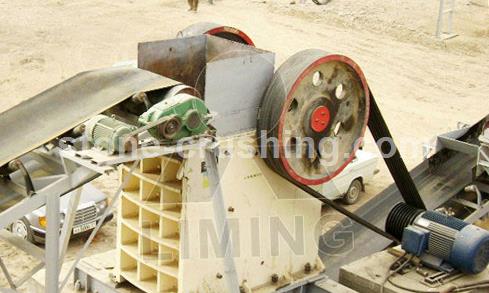
The stone crusher hopper design is a critical factor that often gets overlooked in the rush to set up crushing plants. However, this oversight can result in inefficient operation, reduced production, and increased operating costs. A poorly designed hopper can lead to issues such as material bridging, uneven flow, and even downtime due to blockages.
1. Size and Capacity: The size of the hopper should be carefully determined based on the expected production rates and the characteristics of the material being processed. A properly sized hopper ensures a steady and continuous flow of material to the crusher, preventing overloading and uneven wear.
2. Slope and Geometry: The angle of the hopper walls and the shape of its geometry play a significant role in the material flow. A steeper slope can facilitate better flow and prevent material build-up, while smooth, rounded corners reduce the risk of material bridging and allow for easier cleaning.
3. Vibrating Grizzly Feeders: In some cases, incorporating vibrating grizzly feeders can further enhance the efficiency of the hopper by removing fines and undersized material before they reach the crusher. This results in reduced wear on the crusher's components and improves overall performance.
4. Material Flow Control: Installing features like flow control gates and adjustable baffles inside the hopper allows operators to regulate the material flow rate, ensuring the crusher operates at its optimal capacity and preventing potential blockages.
5. Dust Suppression: Efficient dust suppression systems should also be integrated into the hopper design to minimize airborne particles, creating a safer and cleaner work environment.
A well-designed stone crusher hopper is essential for achieving efficient and productive crushing operations in mining and construction projects. By paying attention to the size, capacity, slope, geometry, and incorporating appropriate features, operators can prevent common hopper-related issues and maximize the performance of the entire crushing process. Investing time and resources in optimizing the hopper design can lead to significant improvements in productivity, reduced downtime, and ultimately, a more profitable operation.
So, whether you are setting up a new crushing plant or looking to improve your existing one, don't overlook the significance of an optimized stone crusher hopper design in achieving operational excellence and maximizing return on investment.



