Language Spare Parts Google Views

Silica minerals, rich in the naturally occurring compound silicon dioxide, have been widely used in various industries for their diverse set of properties. From construction and glass manufacturing to oil and gas operations, the demand for silica minerals continues to grow significantly. In this article, we delve into the process of crushing silica minerals, shedding light on its importance and uncovering the benefits it offers to different sectors.
Crushing is a vital step in the extraction and processing of silica minerals. It involves reducing large rocks and ore particles to smaller, more manageable sizes, facilitating further downstream operations. The primary purpose of crushing silica minerals is to increase their surface area, enabling efficient extraction and enhancing their suitability for various applications.
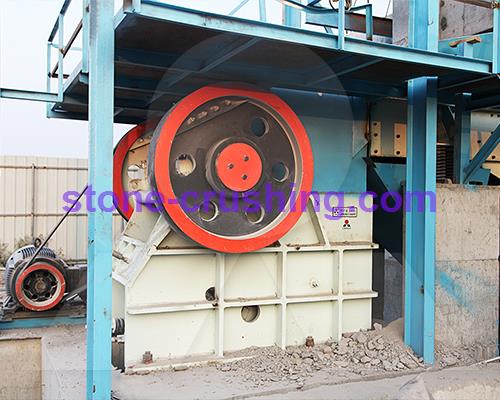
1. Primary Crushing:
The first stage in crushing silica minerals usually involves the use of jaw crushers or gyratory crushers. These robust machines exert a strong force to break down the silica rocks into smaller fragments. Jaw crushers, popularly used in the mining industry, have a fixed plate and a movable plate that squeeze the silica rocks against each other, creating pressure. Gyratory crushers, on the other hand, feature a conical head that gyrates within an inverted cone, crushing the silica minerals between both surfaces.
2. Secondary and Tertiary Crushing:
Depending on the desired end product, secondary and tertiary crushing may be required. Cone crushers are often employed in these stages, providing finer crushing by reducing the size of silica minerals further. Cone crushers work by compressing the silica minerals between a mantle and a concave, generating a finer product suitable for downstream processes. Additionally, impact crushers can be utilized for secondary and tertiary crushing, utilizing high-speed rotor impacts to further break down the silica minerals.
1. Enhanced Extractability:
By reducing the particle size through crushing, the surface area of silica minerals increases significantly. This increase in surface area enhances the contact between the minerals and solvents or reagents, facilitating more efficient extraction processes. Crushing allows for increased liberation of valuable silica minerals, leading to higher yields and improved economic viability.
2. Improved Material Suitability:
Crushed silica minerals exhibit superior properties for various applications. For example, in the construction industry, finely crushed silica minerals are used to produce high-strength concrete and asphalt mixtures. The increased surface area facilitates stronger bonding with cement and bitumen, resulting in enhanced durability and reduced maintenance costs. Similarly, in the glass manufacturing industry, finely crushed silica minerals are crucial for obtaining clearer and more transparent glass products.
3. Energy Efficiency:
Crushing silica minerals to smaller sizes can lead to energy savings in subsequent processes. Smaller particle sizes require less energy for transport, grinding, and overall processing. This translates into efficient use of resources and reduced operating costs for industries that heavily rely on silica minerals.
The process of crushing silica minerals plays a pivotal role in unlocking their true potential across various industries. By reducing the size of silica rocks, crushing enhances extractability, improves material suitability, and fosters energy efficiency. Industries ranging from construction and glass manufacturing to oil and gas operations can benefit from the optimized properties of crushed silica minerals. As the demand for these versatile minerals continues to soar, understanding the crushing process becomes even more relevant for ensuring efficient mineral extraction and utilization.



