Language Spare Parts Google Views

When it comes to crushing and processing large rocks and minerals, choosing the right type of crusher is crucial. Primary crushers play a significant role in the initial stages of the crushing process by breaking down the raw material into more manageable pieces. With a variety of options available, selecting the appropriate primary crusher for your operation is essential for achieving optimal productivity and efficiency.
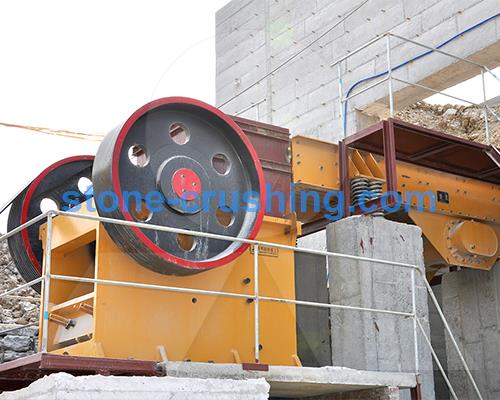
One of the most common types of primary crushers is the jaw crusher. Known for its simplicity and versatility, jaw crushers are ideal for various types of materials, including hard rocks and ores. They operate by compressing the material between two jaws, one fixed and the other moving back and forth. Jaw crushers are suitable for primary crushing applications where the material size is large and needs to be reduced to a manageable size.
Another popular choice for primary crushing is the gyratory crusher. Gyratory crushers consist of a conical mantle mounted on a central vertical spindle and enclosed by a concave hopper. These crushers are designed to handle large quantities of material and are typically used in high-capacity crushing plants. Gyratory crushers are known for their high throughput rates and are suitable for hard and abrasive materials.
For applications that require high reduction ratios, impact crushers are a viable option for primary crushing. Impact crushers operate by striking the material with hammers fixed on a spinning rotor. This action generates high-speed impact forces that crush the material into smaller particles. Impact crushers are commonly used in quarries and recycling operations to break down softer materials like limestone and recycled concrete.
Cone crushers are also used as primary crushers in some applications, particularly in the mining and aggregate industries. Cone crushers operate by squeezing the material between an eccentrically rotating mantle and a concave bowl liner. They are suitable for secondary and tertiary crushing stages but can be used as primary crushers when dealing with softer materials.
When selecting a primary crusher, several factors should be taken into consideration. The type of material to be processed, the required output size, the production capacity, and the abrasiveness of the material are all important considerations. Additionally, the maintenance requirements, operating costs, and available space should also influence your decision-making process.
Ultimately, the selection of a primary crusher should be based on a thorough assessment of your specific needs and operational requirements. Consulting with a reputable supplier or manufacturer can help you determine the best crusher for your application and achieve your crushing goals efficiently.
In closing, choosing the right primary crusher is crucial for the success of your crushing operation. Whether you opt for a jaw crusher, gyratory crusher, impact crusher, or cone crusher, selecting the appropriate crusher will enhance the overall performance of your processing plant. By understanding the unique characteristics of each type of crusher and considering the specific requirements of your operation, you can make an informed decision that will ultimately lead to increased productivity and profitability.



