Language Spare Parts Google Views

In the construction and engineering sectors, the term "crushing strength" is often discussed when evaluating the suitability of materials for various structures. Among these materials, stones play a pivotal role due to their natural availability and inherent characteristics. This article delves into the range of crushing strength of stones, its significance, and factors affecting this crucial property.
Crushing strength refers to the maximum load that a material can withstand without failing when subjected to compressive stress. For stones, this property is essential as it determines how well the stone can bear loads without breaking or deforming. It is generally measured in megapascals (MPa) or pounds per square inch (psi).
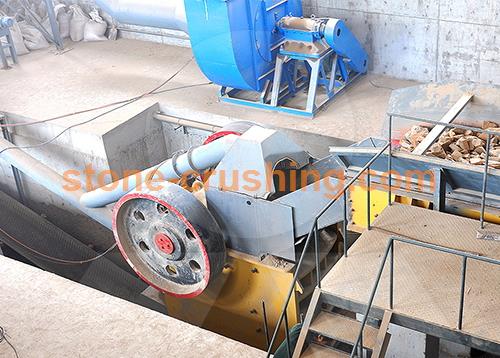
The crushing strength of stones can significantly vary based on their type and the geological processes that formed them. Here’s a general outline of the crushing strength ranges for some commonly used types of stones:
1. Granite: One of the most popular construction stones, granite boasts a crushing strength ranging from 100 to 250 MPa. Its high durability and resistance to weathering make it a preferred choice for both structural and decorative applications.
2. Limestone: This sedimentary rock typically exhibits a crushing strength ranging from 20 to 150 MPa. While not as robust as granite, limestone is still extensively used in construction, especially for roads, bridges, and other infrastructure projects.
3. Sandstone: Comprising mainly quartz and feldspar, sandstone usually has a crushing strength between 20 and 100 MPa. Its versatility and aesthetic appeal contribute to its popularity in architectural settings.
4. Basalt: Known for its volcanic origin, basalt has a crushing strength ranging from 150 to 200 MPa. This stone’s high density and durability make it suitable for various applications, including road construction and railway ballast.
5. Slate: This metamorphic rock generally has a lower crushing strength, often between 30 and 100 MPa. While not as strong as other stones, its unique appearance and ability to split into thin sheets make it valuable for roofing and flooring.
1. Mineral Composition: The presence of different minerals can affect the overall strength. Stones rich in quartz tend to have higher crushing strength due to quartz's durability.
2. Porosity and Density: Stones with lower porosity and higher density usually exhibit higher crushing strength. Porous stones are more susceptible to moisture infiltration, which can weaken their structural integrity.
3. Weathering and Environmental Conditions: Stones exposed to harsh weather conditions may experience structural changes over time, leading to a decrease in crushing strength.
4. Method of Extraction and Processing: The techniques used in quarrying and processing stones can impact their physical properties and, subsequently, their crushing strength.
When selecting stone for construction, understanding its crushing strength is vital for ensuring the structural integrity and longevity of any project. Whether one is laying a foundation or constructing a decorative wall, considering the type of stone and its corresponding crushing strength can help avoid costly repairs and ensure safety.
As the construction industry continues to evolve, knowledge about the properties of natural stones, particularly crushing strength, remains indispensable for architects, engineers, and builders alike.



