Language Spare Parts Google Views

Crushed aggregate is a fundamental material widely used in the construction industry. It serves as a key component in concrete, road base layers, asphalt pavements, and various other infrastructure projects. Understanding the production process of crushed aggregate is essential for ensuring quality and meeting the specific requirements of different construction applications. In this article, we will explore the detailed steps involved in the production of crushed aggregate, the types of materials used, and key considerations for ensuring quality and sustainability.
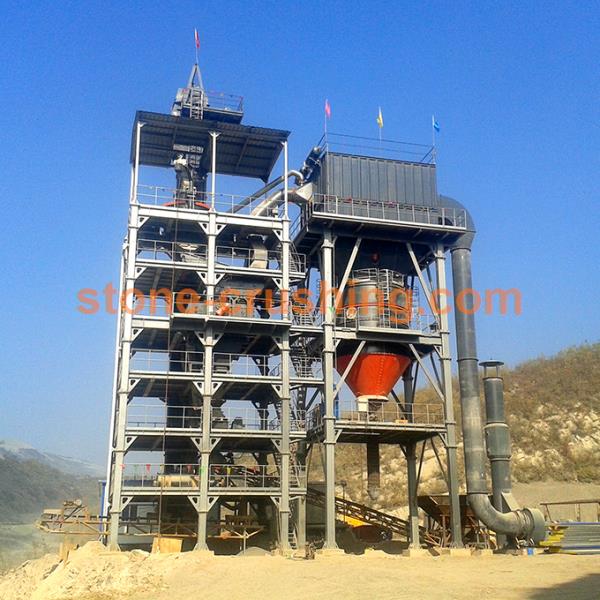
Crushed aggregate is a granular material produced by breaking down larger rocks and stones into smaller, uniform pieces. These aggregates can range in size from fine dust to coarse gravel and are often categorized based on their size and shape. The strength, durability, and cost-effectiveness of crushed aggregates make them ideal for construction uses.
The primary raw materials for crushed aggregate production include:
- Limestone
- Granite
- Basalt
- Sandstone
- Recycled concrete
The choice of material depends on availability, the desired properties of the final product, and the intended use.
1. Extraction
The production process begins with the extraction of raw materials from quarries or borrow pits. Large rocks are blasted or mechanically excavated from the earth using explosives or heavy machinery. Proper extraction ensures a steady supply of material with minimal impurities.
2. Primary Crushing
Once extracted, the raw rock is transported to a crushing facility where primary crushers reduce its size. Jaw crushers or gyratory crushers are commonly used at this stage to break large rocks into manageable pieces, typically about 150-300 mm in size.
3. Secondary and Tertiary Crushing
The primary crushed material is then sent to secondary crushers such as cone crushers or impact crushers to further reduce particle size. This step produces smaller aggregates that meet specific gradation and shape requirements. Sometimes, further tertiary crushing is performed to produce even finer material, depending on the application.
4. Screening
After crushing, the aggregate is screened using vibrating screens to separate particles by size. This process ensures that the aggregate complies with required grading specifications. Oversized materials may be sent back to the crusher for additional processing.
5. Washing
In some cases, aggregates are washed to remove dust, clay, silt, and other contaminants. Clean aggregate is especially crucial for concrete production, where impurities can affect bonding and strength.
6. Stockpiling and Quality Control
After processing, the aggregate is stockpiled for storage and further use. Quality control measures, including regular testing for gradation, shape, strength, and impurities, are essential to maintain standards. Testing ensures the aggregates meet ASTM, AASHTO, or other regional standards relevant to their application.
The construction industry is increasingly focusing on sustainability in aggregate production. Recycling concrete debris and using industrial by-products help reduce environmental impact and conserve natural resources. New technologies, like automated crushers with real-time monitoring systems, improve efficiency and reduce waste.
The production of crushed aggregate is a multi-step process that transforms raw rock into a versatile construction material. From extraction to crushing, screening, and quality control, each stage is crucial to deliver aggregates that meet the rigorous demands of construction projects. By understanding these processes and embracing sustainable practices, the industry can continue to provide high-quality materials while minimizing environmental impact.



