Language Spare Parts Google Views

In industries that rely heavily on crushing equipment, such as mining, construction, or quarrying, maintaining optimal crusher gaps is crucial for efficient operations and high-quality end products. However, various challenges can arise, resulting in problems with crusher gaps. In this article, we will delve into the key issues that may arise and explore potential solutions.
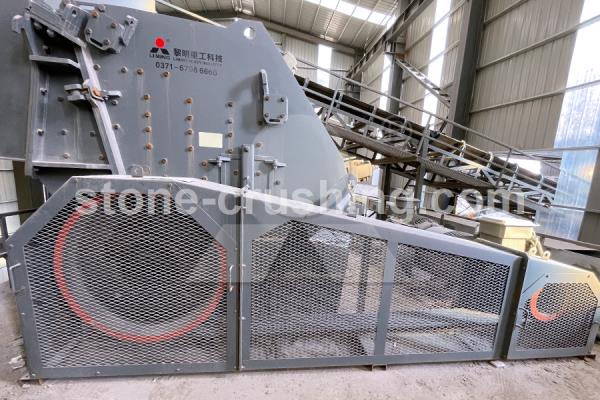
1. Inaccurate Gap Measurements:
Accurate crusher gap measurements are essential, as they directly impact the size and quality of the crushed material. One common problem is the inaccurate measurement of the gap. This can lead to inconsistent product sizes, reduced throughput, and increased operational costs. Regular calibration and verification of measurement devices, such as using laser-based systems, can help overcome this challenge.
2. Uneven Wear of Crushing Components:
Wear on crushing components, such as the jaw plates or concaves, can result in uneven gaps. As the components wear, the gap between them may increase, leading to suboptimal crushing and potential damage to the crusher. Implementing a strict maintenance schedule, including regular inspections and replacing worn components, is vital to maintaining uniform gaps and sustaining efficient operation.
3. Improper Adjustment Mechanisms:
Many crushers are equipped with adjustable mechanisms to control the crusher gap. However, incorrect or inconsistent adjustments can lead to problems. Insufficient or excessive gaps can impact the crushing process, resulting in excessive fines or reduced capacity. Regular training for operators to ensure proper adjustment techniques, along with clear guidelines and documentation, can help address this issue.
4. Vibrations and Impact Loads:
Crushers are subjected to high vibrations and impact loads during operation, which can affect the tightness and stability of the crusher gaps. Over time, these dynamic forces can cause gaps to change, leading to inconsistent product sizes. Employing robust and reliable anti-vibration measures, such as stone mounts, isolation pads, or advanced crusher control systems, can mitigate this problem.
5. Material Bridging:
Material bridging occurs when the crusher is unable to effectively process larger-sized materials, causing them to become stuck in the crusher cavity. This can result in irregular gaps and reduce the overall efficiency of the process. Proper feed control, including the use of vibrating feeders or apron conveyors, can help alleviate material bridging, preventing disruptions to the crusher gap consistency.
Having a thorough understanding of the potential problems associated with crusher gaps is crucial for industrial operators to ensure smooth and productive crushing operations. By implementing regular maintenance, accurate measurement techniques, proper adjustment mechanisms, and effective anti-vibration measures, these issues can be mitigated, improving efficiency, increasing throughput, and producing higher-quality end products.



