Language Spare Parts Google Views

When it comes to extracting materials, there are two key players in the game - primary and secondary crushers. Although they may sound similar, these two machines have distinct roles in the mining and construction industry. Understanding the differences between them can help you make an informed decision when choosing the right crusher for your project. So, let's dive into the primary crusher vs secondary crusher debate and unravel the mystery behind them.
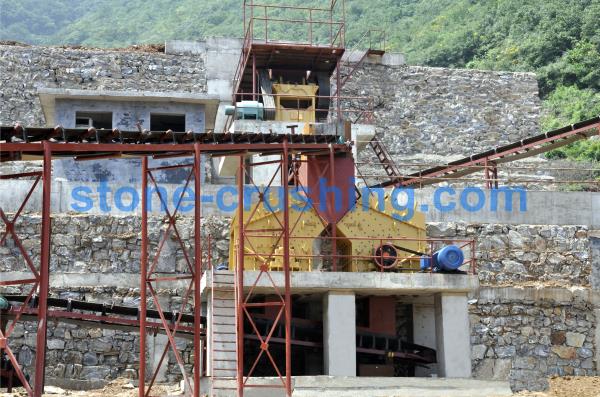
A primary crusher is the initial stage of the crushing process. It takes the raw material and reduces its size from large chunks to manageable sizes. Typically, the primary crusher is a jaw crusher, characterized by its opening size and jaw plates. These machines are used to break down large rocks, ores, and other materials into smaller pieces for further processing.
The primary crusher operates by applying pressure to the material through a stationary jaw plate and a moving jaw plate. As the moving jaw plate moves towards the fixed jaw plate, the material gets crushed between them, creating smaller particles. This process continues until the desired size is achieved. Primary crushers are known for their high reduction ratios and are commonly used in mining, quarrying, and recycling applications.
Once the material is reduced in size by the primary crusher, it moves to the secondary crusher for further processing. A secondary crusher, as the name suggests, is the second stage of the crushing process. Typically, a cone crusher or impact crusher is used in secondary crushing. These machines are designed to handle smaller feed sizes compared to primary crushers.
Secondary crushers further break down the material into even finer particles. They work by utilizing the principle of compression or impact, depending on the type of crusher. Cone crushers squeeze the material between an eccentrically rotating mantle and a concave hopper, while impact crushers use the principle of impact to crush the material against rotor blades or hammer bars. Secondary crushers are widely used in various industries like mining, construction, and aggregate production.
1. Crushing Principle: Primary crushers use pressure to break down the material, whereas secondary crushers use compression or impact.
2. Size Reduction Range: Primary crushers are capable of handling larger feed sizes and producing coarser output, while secondary crushers are designed to handle smaller feed sizes and deliver finer particles.
3. Capacity: Primary crushers can handle higher capacities compared to secondary crushers, which have smaller processing capabilities.
4. Application: Primary crushers are suitable for bulk materials, such as mining ores and large rocks, while secondary crushers are ideal for smaller materials like recycled concrete and gravel.
Therefore, primary and secondary crushers play vital roles in the crushing process. While primary crushers deal with larger chunks of material and produce bigger sizes, secondary crushers handle smaller feed sizes and reduce them into finer particles. Choosing the right crusher depends on various factors like the type of material, desired product size, and production capacity.
Understanding the primary crusher vs secondary crusher difference can help you optimize your crushing operations and achieve the desired results. So, whether you need to break down massive rocks or process smaller materials for recycling, consider the characteristics of each crusher type. By choosing wisely, you can enhance your productivity and maximize the efficiency of your crushing operations.



