Language Spare Parts Google Views

Cone crushers play a crucial role in many aggregate and mineral processing operations, as they are designed to process a wide range of materials efficiently and effectively. With their robust construction and high capacity, cone crushers have become indispensable in the mining and quarrying industry. In this article, we will delve into the operational aspects of cone crushers, highlighting their key components, working principles, and maintenance practices that contribute to their optimal performance.
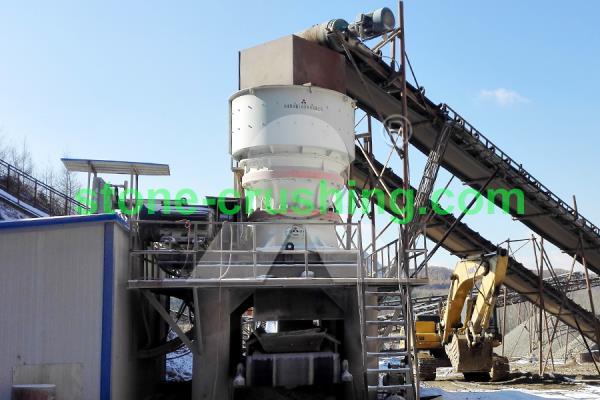
A cone crusher consists of several key components that work together to facilitate its operation. These components include:
1. Main Shaft and Bearings: The main shaft is the central rotating component of the crusher, responsible for transmitting power to the crushing cone. It is supported by spherical roller bearings, which ensure smooth and efficient functioning.
2. Crushing Cone and Mantle: The crushing cone, also known as the mantle, is the moving part of the cone crusher that exerts the crushing action. It is made of wear-resistant materials and is replaceable to maintain the desired product size.
3. Bowl Liner: The bowl liner is a stationary component positioned beneath the crushing cone. Its purpose is to protect the cone crusher from excessive wear caused by the rocks being crushed.
4. Eccentric Bushing: This component allows the main shaft to rotate smoothly by providing a controlled motion between the main shaft and the crushing cone.
The operation of a cone crusher can be described as follows:
1. Material is fed into the crushing chamber through the feeding hopper.
2. The rotating eccentric shaft moves the main shaft in a gyratory motion, which causes the crushing cone to oscillate and squeeze the material against the concave liner.
3. As the material is compressed, it undergoes crushing and is discharged through the discharge opening at the bottom of the crusher.
To ensure the efficient and reliable operation of a cone crusher, regular maintenance is essential. Some key maintenance practices include:
1. Lubrication: Proper lubrication of all moving parts, such as bearings and gears, is crucial for reducing friction and preventing excessive wear. Regular inspections and lubrication checks should be undertaken as part of routine maintenance.
2. Regular Component Inspections: Periodic inspections of key components, such as the mantle and bowl liner, should be conducted to detect any signs of wear or damage. Timely replacement of worn components will prevent costly breakdowns and ensure optimal performance.
3. Clearing Blockages: Cone crushers can occasionally experience blockages caused by oversized or sticky materials. Promptly addressing these blockages will minimize downtime and maintain productivity.
4. Adjusting Crusher Settings: Depending on the desired product size, adjusting the crusher settings, such as the closed-side setting (CSS), can optimize the crushing process.
Understanding the operational aspects of cone crushers is essential for maximizing productivity and achieving optimal performance in aggregate and mineral processing operations. By focusing on the key components, working principles, and maintenance practices discussed in this article, operators can ensure that cone crushers function at their best, resulting in higher throughput, reduced downtime, and overall cost savings.



