Language Spare Parts Google Views

The heart of any crusher lies in its main shaft – the powerful, rotating component responsible for the brutal task of reducing large rocks into smaller fragments. But maintaining optimal performance and preventing catastrophic failure requires precise control over this shaft's position. This is where the main shaft position system comes in, a critical element often overlooked but vital to the efficiency and longevity of your crushing operation.
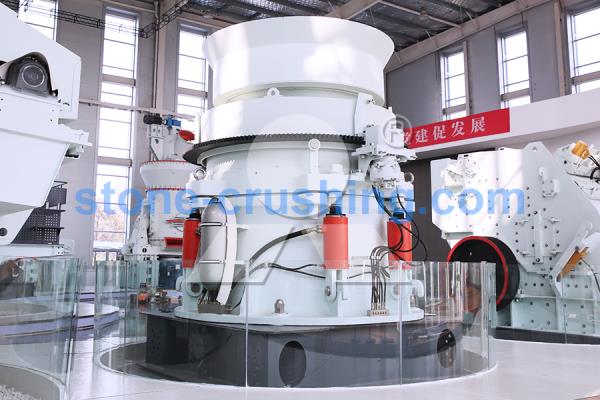
This isn't just about keeping the shaft in the right place; it's about ensuring consistent crushing performance, minimizing wear and tear, and maximizing the lifespan of your equipment. A poorly functioning or neglected system can lead to a cascade of problems, from uneven crushing and reduced output to premature component failure and costly downtime.
So, what exactly constitutes a main shaft position system? It's a collection of components working in harmony to monitor and control the shaft's position relative to the crusher's other components, primarily the crushing chamber. This usually involves:
* Sensors: These are the eyes of the system, providing real-time data on the shaft's position. Common sensor types include:
* Linear Position Sensors (LVDT or potentiometers): Measure the linear displacement of the shaft.
* Rotary Position Sensors (encoders): Measure the angular position of the shaft.
* Proximity Sensors: Detect the presence or absence of a component near the shaft.
* Control System: This is the brain, processing the sensor data and making adjustments as needed. This can range from simple analog systems to sophisticated PLC-based controllers capable of complex algorithms and data logging. The control system will compare the measured shaft position to a setpoint, and if a discrepancy is detected, it will initiate corrective actions.
* Actuators: These are the muscles, responsible for physically adjusting the shaft's position. Hydraulic cylinders, pneumatic actuators, or even electric motors can be employed depending on the size and complexity of the crusher.
The importance of precise shaft positioning cannot be overstated. A misaligned shaft can lead to:
* Uneven Crushing: Resulting in inconsistent product size and quality.
* Increased Wear and Tear: Putting extra stress on bearings, liners, and other components, leading to premature failure and costly replacements.
* Reduced Throughput: A poorly positioned shaft can significantly reduce the crusher's capacity.
* Safety Hazards: A misaligned or damaged shaft can pose serious safety risks to personnel.
Regular maintenance and monitoring of the main shaft position system are therefore crucial. This includes:
* Regular Sensor Calibration: Ensuring accurate readings are obtained.
* Inspection of Actuators: Checking for leaks, wear, and proper operation.
* Control System Checks: Verifying the system's functionality and making necessary adjustments.
Investing in a robust and reliable main shaft position system is a smart move for any crusher operation. While the initial cost might seem significant, the long-term benefits—in terms of increased efficiency, reduced downtime, and extended equipment life—far outweigh the expense. By keeping a close eye on your main shaft's position, you're ensuring your crushing operation stays productive, profitable, and safe.



