Language Spare Parts Google Views

Jaw crushers are essential equipment in the mining and construction industries, primarily used for crushing large rocks into smaller pieces. At the heart of a jaw crusher lies the jaw plates, which are responsible for carrying out the crushing action. The materials used to manufacture these jaw crusher plates play a crucial role in determining the durability, efficiency, and cost-effectiveness of the crushing process. In this article, we will explore the common materials used for jaw crusher plates and why they matter.
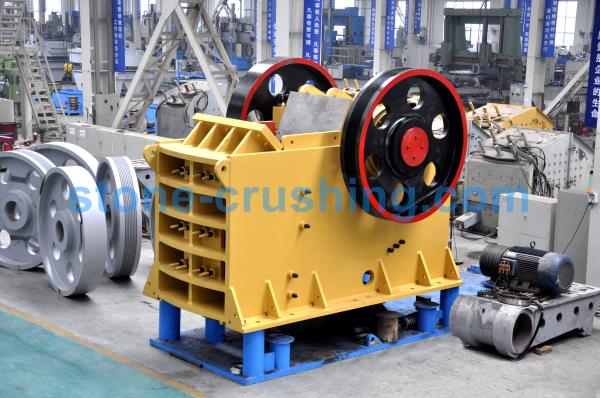
Jaw crusher plates, also known as jaw dies, are the two hardened steel components inside the crusher that move and crush the material. One plate is fixed while the other is movable. The movable jaw plate moves to and fro against the fixed plate, crushing rocks or other materials between them.
Jaw crusher plates are subjected to extreme mechanical stress, wear, and impact during operation. Therefore, the material must possess certain qualities such as:
- High hardness to resist wear and abrasion.
- Good toughness to avoid brittle failure and cracking.
- Resistance to impact and fatigue for long-lasting use.
- Cost-effectiveness to ensure economical replacement.
1. Manganese Steel (Hadfield Steel)
This is the most commonly used material for jaw plates. Manganese steel contains 12-14% manganese, which provides excellent work-hardening capability.
- Advantages:
- High resistance to abrasion.
- Hardens with use, thus increasing the lifespan.
- Good toughness limits cracking and breakage.
- Applications: Suitable for medium to hard rocks and recycling industries.
2. Chromium Steel
Chromium alloys are sometimes used to improve wear resistance beyond that offered by manganese steel. They contain varying amounts of chromium and carbon.
- Advantages:
- Better corrosion resistance.
- Higher hardness and wear resistance.
- Applications: Applied in crushing highly abrasive materials.
3. Ni-Hard Alloys
Ni-hard alloys consist of high nickel and cast iron. They are used in some jaw plates for their excellent abrasion resistance.
- Advantages:
- high wear resistance.
- Good toughness.
- Applications: Suitable for crushing abrasive ores and materials.
4. High Chromium White Iron
This material is known for excellent wear resistance due to its hard carbides but is more brittle than manganese steel.
- Advantages:
- Exceptional wear resistance.
- Disadvantages:
- Less impact resistance, prone to cracking.
- Applications: Often used in specific crushing scenarios where abrasion is dominant but impact forces are lower.
Manufacturers are experimenting with composite materials and specialized coatings (such as tungsten carbide overlays) to extend jaw plate life further. These newer technologies combine toughness and wear resistance but typically come at a higher cost.
Choosing the right jaw crusher plate material depends on the nature of the crushing operation, the type of material being processed, and the operational environment. Manganese steel remains the industry standard due to its versatility and cost-effectiveness. However, for specialized applications involving extreme wear or corrosion, chromium steel or ni-hard alloys may be preferred.
Proper material selection ensures improved crusher performance, longer equipment life, reduced downtime, and overall cost savings. When replacing jaw plates, consult with your equipment manufacturer or a materials expert to find the best fit for your specific needs.



