Language Spare Parts Google Views

In the realm of mineral processing and aggregate production, the jaw crusher stands as a cornerstone of efficiency and productivity. This powerful piece of machinery has revolutionized the way we crush and process various materials. However, like any sophisticated equipment, understanding its operation is crucial to maximizing its potential and ensuring safe and effective usage. In this article, we delve into the intricacies of jaw crusher operation, providing you with valuable insights to optimize your crushing process.
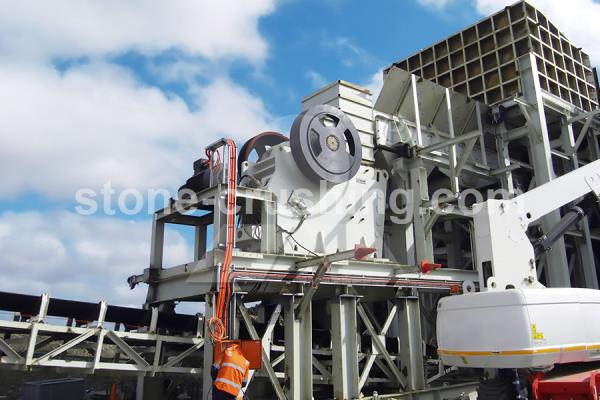
Before delving into the operation, let's grasp the fundamental components of a jaw crusher. The machine consists of a fixed jaw and a movable jaw, which together form a "V" shape. The rocks to be crushed are placed between these jaws, gradually being reduced in size as the jaws move closer. The process involves compression, where the material is squeezed between the jaws until it breaks into smaller fragments.
1. Preventive Maintenance: Regularly inspecting and maintaining your jaw crusher can significantly extend its lifespan. Lubrication, tightening of nuts and bolts, and checking for wear on parts are essential steps to prevent unexpected breakdowns.
2. Proper Feeding: The size and type of material you feed into the crusher play a vital role in its performance. Oversized material can cause blockages and wear down the jaws, while undersized material may lead to inefficient crushing.
3. Adjusting the CSS (Closed Side Setting): The CSS refers to the minimum distance between the two crushing surfaces at the bottom of the jaws. This setting determines the output size of the crushed material. Proper CSS adjustment ensures consistent product size and production efficiency.
4. Choke Feeding: Allowing a consistent flow of material into the crushing chamber aids in achieving optimal capacity and reduces the chance of uneven wear on the jaw plates.
5. Avoiding Overloading: Excessive load can strain the crusher's motor and components, leading to decreased efficiency and increased wear. Keep an eye on the amp draw and adjust the feed rate accordingly.
6. Safety Precautions: Safety should always be a priority. Ensure proper guarding, lockout/tagout procedures, and personnel training to create a safe working environment.
1. Enhanced Efficiency: A deep understanding of jaw crusher operation empowers operators to fine-tune the machine for maximum output, reducing energy consumption and operating costs.
2. Consistent Product Quality: Skillful operation leads to consistent and desired product sizes, meeting the requirements of downstream processes and end-users.
3. Extended Equipment Life: By following best practices in operation and maintenance, you can extend the lifespan of your equipment, minimizing downtime and replacement costs.
4. Safety First: Proper operation ensures the safety of your team and prevents costly accidents or injuries.
Operating a jaw crusher might seem daunting initially, but with the right knowledge and approach, it becomes a skill that greatly benefits your operations. From preventive maintenance to understanding the intricacies of settings and safety protocols, mastering jaw crusher operation is a journey toward efficiency, productivity, and safety. So, equip yourself with these insights, and unlock the full potential of this remarkable piece of machinery.



