Language Spare Parts Google Views

When it comes to the world of crushing and aggregate production, jaw crushers play a crucial role. These robust machines are widely used in various industries, including mining, construction, and recycling. In this article, we will explore the process of crushing limestone using jaw crushers, highlighting their benefits, working principles, and key considerations.
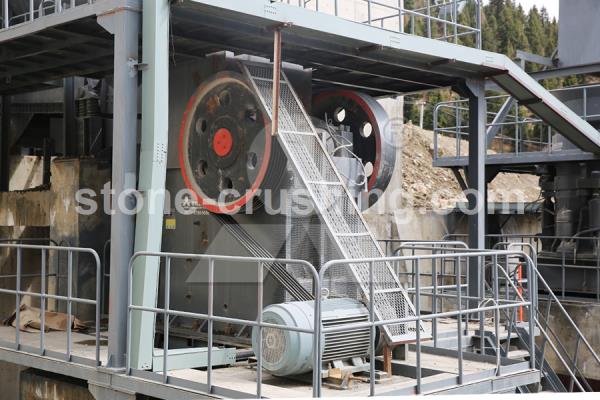
1. Understanding Jaw Crushers:
Jaw crushers are mechanical devices designed to break down large rocks into smaller, more manageable pieces. They consist of a fixed jaw and a movable jaw, with the material being crushed between them. The crushing process is achieved by the mechanical pressure exerted on the rock, as the movable jaw moves towards the fixed jaw.
2. Benefits of Jaw Crushers for Limestone Crushing:
2.1. High Efficiency: Jaw crushers are known for their high crushing efficiency, making them suitable for processing limestone. The mechanical design and the optimized kinematics ensure a high reduction ratio, enabling the production of finer end products with less energy consumption.
2.2. Versatility: Jaw crushers are versatile machines that can handle various types of materials, including limestone. They can accommodate different feed sizes and produce different output sizes by adjusting the crusher's settings, making them adaptable to different applications.
2.3. Durability and Low Maintenance: Jaw crushers are built to withstand heavy-duty operations and harsh environments. They are designed with sturdy materials and components, ensuring long-term durability. Additionally, their simple structure and fewer moving parts result in lower maintenance requirements, reducing downtime and overall operational costs.
3. Crushing Limestone with Jaw Crushers:
3.1. Preparing the Feed: Before feeding the limestone into the jaw crusher, it is important to remove any oversized rocks or foreign materials. This helps prevent damage to the crusher and ensures consistent feeding of the material.
3.2. Adjusting the Crusher Settings: The crusher settings, such as the closed-side setting (CSS) and the eccentric throw, determine the output size of the crushed limestone. By adjusting these settings, operators can control the product gradation and optimize the crusher's performance for specific requirements.
3.3. Operating Considerations: During the crushing process, operators should monitor the crusher's operation and ensure a steady feed of limestone. Regular inspections, lubrication, and preventive maintenance are crucial to maximize the jaw crusher's efficiency and lifespan.
4. Safety Considerations:
Safety should always be a top priority when operating jaw crushers. Operators should follow proper safety protocols, wear appropriate personal protective equipment (PPE), and receive thorough training on the equipment's operation and maintenance.
Jaw crushers are indispensable tools in the limestone crushing process, offering high efficiency, versatility, and durability. With their ability to handle various feed sizes and produce desired output sizes, they have become a preferred choice for many industries involved in aggregate production. By following the recommended operating procedures and safety guidelines, operators can maximize the performance of jaw crushers and ensure smooth and efficient limestone crushing operations.



