Language Spare Parts Google Views

Jaw crushers are widely used in the mining and construction industry due to their ability to crush a variety of materials with high efficiency. As a crucial component in the crushing process, the design and functionality of jaw crusher bearings directly impact its overall performance and longevity. In this article, we will explore the importance of proper bearing design and highlight key considerations for optimizing jaw crusher performance.
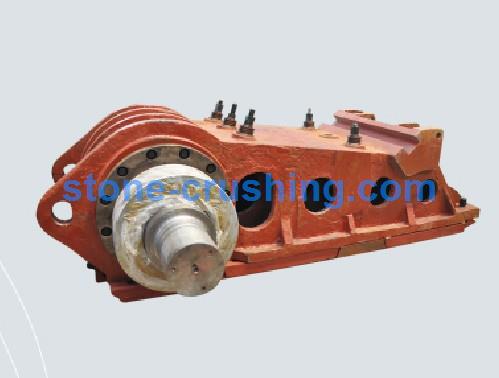
1. Load Capacity and Durability:
Jaw crusher bearings are responsible for handling the intense cyclic loading exerted by the crushing process. Therefore, their load capacity and durability are crucial factors in ensuring reliable and trouble-free operation. The primary function of a jaw crusher bearing is to support the eccentric shaft, which allows the movable jaw to oscillate and fulfill its crushing motion.
2. Material Selection:
Choosing the right material for jaw crusher bearings is essential. Usually, the bearing housing is made of cast iron or steel, while the rolling elements are typically manufactured from high carbon chrome steel, providing excellent wear resistance and strength. Proper heat treatment processes strengthen the components and enhance their ability to withstand heavy loads and impact forces.
3. Lubrication:
Adequate lubrication is vital for reducing friction and preventing premature wear and failure of jaw crusher bearings. The lubricant not only reduces friction between the bearing surfaces but also acts as a cooling medium, dissipating the heat generated during operation. Grease lubrication is commonly used in jaw crushers due to its simplicity and reliability. Regular oil analysis and monitoring are recommended to ensure the lubricant's cleanliness and performance.
4. Seal Design:
Effective sealing protects jaw crusher bearings from dust, dirt, and moisture, which can compromise their longevity and lead to premature failure. A well-designed sealing system prevents contaminants from entering the bearing chamber and extends the bearing's lifespan. Common types of seals used in jaw crushers include labyrinth seals, lip seals, and V-ring seals, each offering varying levels of protection.
5. Bearing Clearance:
Proper bearing clearance is vital for maintaining the jaw crusher's smooth operation. Excessive clearance can lead to increased vibration and noise, while insufficient clearance may cause excessive heat generation. Precision-machined and accurately adjusted bearing clearances provide optimal performance and minimize the risk of premature failure. Regular monitoring and adjustment of bearing clearance should be included in the maintenance routine.
6. Maintenance and Inspection:
Regular inspection and maintenance play a significant role in maximizing jaw crusher bearing life. Implementing a comprehensive maintenance schedule ensures timely replacement of worn-out bearings and prevents potential breakdowns. It is crucial to follow the manufacturer's recommendations for maintenance intervals and procedures to avoid unnecessary downtime and costly repairs.
The design of jaw crusher bearings significantly influences the overall performance and lifespan of the crushing equipment. By selecting suitable materials, ensuring proper lubrication, implementing effective sealing systems, and maintaining the appropriate bearing clearance, manufacturers can optimize performance, minimize downtime, and extend the service life of jaw crushers. Regular inspection and maintenance protocols should be incorporated to proactively identify and address potential issues. By prioritizing bearing design and proper maintenance, jaw crushers can operate efficiently and reliably, meeting the demands of various crushing applications in the mining and construction industries.



