Language Spare Parts Google Views

In the field of crushing and screening, impact crushers have gained substantial popularity due to their ability to deliver superior performance and efficiency. These versatile machines play a crucial role in various industries, including mining, construction, and recycling. To fully comprehend the impact crusher's functionality, it is essential to delve into its key components and understand how they contribute to its impressive capabilities.
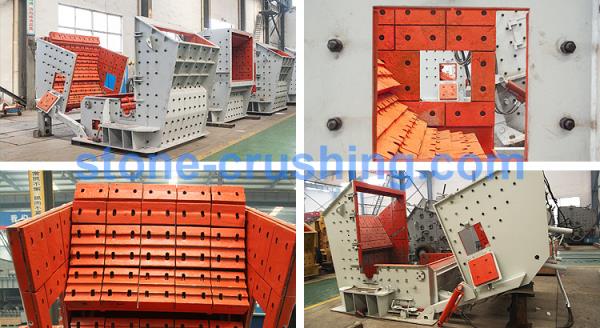
1. Rotor Assembly:
The heart of an impact crusher lies in its rotor assembly. Comprised of a heavy-duty, high-speed rotor and wear-resistant impact plates, the rotor assembly is responsible for delivering the kinetic energy required for the crushing process. The rotor spins at high speeds, propelling the incoming materials into the crushing chamber. It is vital to ensure the rotor's proper balance and alignment to minimize vibration, enhance reliability, and prevent premature wear.
2. Blow Bars:
Blow bars are critical parts that directly interact with the incoming material. These durable, wear-resistant bars are fixed to the rotor and are available in several configurations, such as martensitic, chrome, or ceramic alloys. The selection of suitable blow bars depends on the application and the desired end product. Their primary function is to strike the material and break it into smaller pieces, optimizing the crushing process while reducing downtime for maintenance and replacement.
3. Impact Plates:
Positioned in the crushing chamber, impact plates play a significant role in the crushing process. Offering protection to the machine's interior, impact plates ensure that the incoming material is effectively redirected towards the blow bars. They also aid in controlling the particle size by adjusting the clearance between the rotor and the plates. Made from durable materials, such as manganese steel or composite alloys, impact plates effectively withstand the immense forces generated during operation.
4. Crushing Chamber:
The design of the crushing chamber greatly impacts the performance of an impact crusher. Optimal chamber configuration enables efficient crushing and ensures the desired end product size and shape. The geometry of the chamber determines the trajectory of the material, affecting its velocity and impact with the blow bars. Variations in chamber configurations allow for a wider range of applications and the ability to handle different types of materials.
5. Adjustable Aprons:
To achieve the desired product size and shape, impact crushers are equipped with adjustable aprons. These aprons can be positioned to increase or decrease the distance between the blow bars and the impact plates, thus altering the impact force on the material. By adjusting the apron gap, operators can optimize the crushing process for specific applications, ensuring a consistent and high-quality end product.
Impact crushers are instrumental in significantly improving the efficiency and productivity of various industries. Understanding the essential components of these machines is crucial for maximizing their efficacy. The rotor assembly, blow bars, impact plates, crushing chamber, and adjustable aprons work in harmony to deliver superior performance and produce the desired end product. By investing in the right design and maintenance of these critical parts, companies can enhance their crushing operations, increase productivity, and ultimately achieve higher profitability.



