Language Spare Parts Google Views

Ball mills are commonly used in various industries for grinding, blending, and powdering a wide range of materials. Increasing the capacity of a ball mill is a crucial task that requires a keen attention to detail and an understanding of the factors affecting mill performance. In this article, we will explore effective strategies to enhance the capacity of a ball mill, ensuring efficient and productive operations.
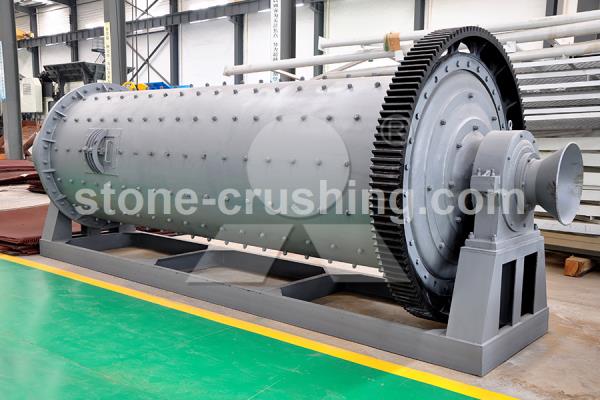
Before diving into the strategies for increasing the capacity of a ball mill, it is essential to have a clear understanding of how a ball mill functions. A ball mill works on the principle of impact and attrition: size reduction is done by impact as the balls drop from near the top of the shell. The critical components of a ball mill include cylindrical shell, grinding media (balls), and liners.
Optimizing the ball charge is one of the most effective ways to increase the capacity of a ball mill. By increasing the number of balls or using a ball size distribution with radii decreasing towards the mill center, the grinding efficiency is enhanced. However, it is crucial to strike a balance between too many balls leading to decreased space for the material to be ground and too few balls resulting in insufficient grinding.
Proper selection of mill liners can significantly impact the mill's performance. High-quality liners, combined with regular maintenance, extend the lifespan of the liners, reducing downtime, and maximizing mill capacity. Opt for liners with the right material composition and design to minimize friction and maximize grinding efficiency. Additionally, consider using adjustable liners that allow for quick and simple optimization of the ball charge and liner lifter face angles.
The utilization of grinding aids is another technique to improve the mill's capacity. Grinding aids are stone substances added during comminution to improve grinding efficiency. They reduce the agglomeration tendencies of particles, increase the efficiency of the grinding process, and lead to higher production rates. However, it is vital to select grinding aids carefully, as their effectiveness varies depending on the specific material being processed.
Monitoring and optimizing the operational parameters of a ball mill is crucial for achieving optimal capacity. Factors such as rotational speed, pulp density, and feed rate must be carefully controlled to maximize throughput. Regular monitoring of these parameters, along with adjusting them within the optimum range, ensures efficient grinding and prevents overloading the mill.
Considering the mill as part of a complete grinding circuit enables further optimization possibilities. Efficient classification through the use of high-performance classifiers can reduce the circulation load, ensuring that only properly sized particles are sent back to the mill for further grinding. This leads to increased mill capacity and improved overall grinding performance.
Increasing the capacity of a ball mill requires a systematic approach that addresses various aspects of mill operation and equipment optimization. By implementing the strategies outlined in this article, including optimizing the ball charge, selecting appropriate liners, using grinding aids, and adjusting operational parameters, operators can unlock the full potential of their ball mills. By doing so, not only can productivity be boosted, but also overall operational efficiency and profitability.



