Language Spare Parts Google Views

The world of mining and construction involves a variety of crushing equipment designed to break down large rocks and other solid materials into smaller, more manageable pieces. One such tool that has revolutionized the industry is the impact crusher. In this article, we will delve into the inner workings of an impact crusher and explore how it efficiently transforms rocks into usable aggregates.
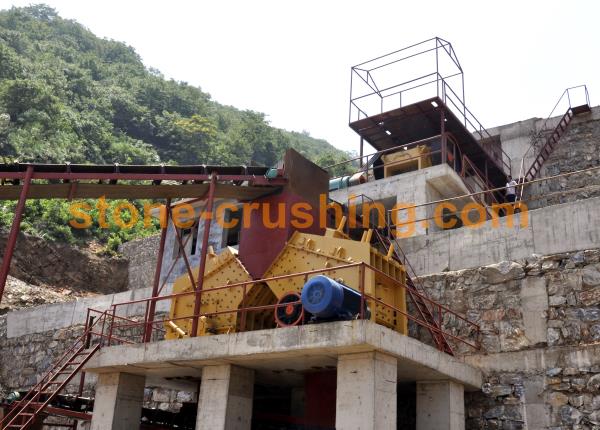
At its core, an impact crusher utilizes a heavy-duty rotor that spins rapidly inside a cage-like enclosure. The material to be crushed is fed into the center of the rotor, where it is struck by the high-speed hammers. These blows cause the material to break apart, resulting in smaller fragments being ejected from the machine.
1. Feed Material: The process begins when raw materials like large rocks or stones are loaded into the feeding hopper. A vibrating feeder controls the flow of material, ensuring a continuous and even supply.
2. Impact Rotor: The rotor, usually made of durable steel, is the engine that drives the crushing process. Connected to the main shaft, the rotor spins at high speeds, generating the energy needed to crush the material.
3. Impact Curtain: Surrounding the rotor, the impact curtain consists of sturdy plates that redirect the fragmented material back into the crushing chamber. This curtain minimizes the risk of flyaway pieces and ensures further collision and crushing occur.
4. Crushing Chamber: The chamber, also known as a breaker plate, houses the impact crushers' hammers and ensures the crushing process occurs in a controlled and efficient manner. The shape and size of the chamber can be adjusted to obtain the desired crushed product size.
5. Discharge: Once the material is sufficiently crushed, it exits the crushing chamber through a discharge opening. Depending on the application and desired end product, the discharge can be directed into a conveyor belt, stockpile, or subsequent crushing stages.
1. Versatility: Impact crushers are highly versatile machines suitable for a wide range of applications, including quarrying, recycling, and mining. They can effectively handle diverse materials, such as limestone, concrete, asphalt, and more.
2. High Production Capacity: Due to their robust design and powerful rotor, impact crushers can handle high volumes of material, ensuring efficient crushing and increased productivity.
3. Superior Particle Shape: Impact crushers are known for producing cubic-shaped end products, making them ideal for producing aggregates for construction purposes.
4. Low Maintenance: Impact crushers are designed with durability and low maintenance requirements in mind. Regular maintenance and inspections can keep these machines operating at their optimal level, reducing downtime and ensuring longevity.
Impact crushers play a crucial role in the crushing process, providing a reliable and efficient method of reducing the size of various materials. With their powerful rotors, customizable crushing chambers, and ability to produce high-quality aggregates, these machines have become a cornerstone of the mining and construction industry. By understanding how impact crushers work, we can continue to harness their potential and push the boundaries of what is possible in the world of crushing.



