Language Spare Parts Google Views

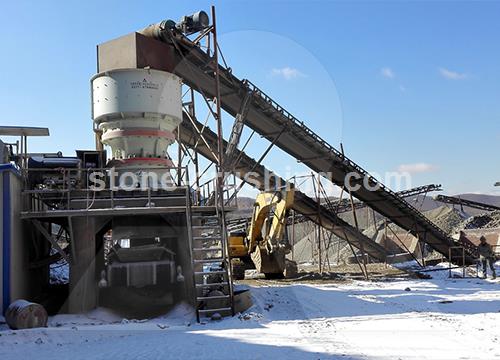
Crushing machines are an essential part of many industries, including construction, mining, and manufacturing. While they are necessary for the processing of raw materials, they also pose serious hazards to workers. In this article, we will discuss the hazards of crushing machines and the measures that can be taken to prevent accidents.
One of the primary hazards associated with crushing machines is the risk of getting caught in the machinery. When workers are handling materials or feeding them into the machine, their hands or clothing can get caught in the moving parts. This can result in serious injuries such as amputations, fractures, or even death.
Another hazard associated with crushing machines is the risk of flying debris. During the crushing process, materials can become airborne and fly out of the machine, posing a danger to workers in the vicinity. This can result in eye injuries, lacerations, or other serious injuries.
Crushing machines also generate a significant amount of noise, which can lead to hearing loss over time. Prolonged exposure to high levels of noise can cause permanent damage to the ears, making it difficult to hear and communicate effectively.
To mitigate the hazards of crushing machines, employers should implement a comprehensive safety program. This should include proper training for workers on how to safely operate and maintain the machines. Workers should also be provided with personal protective equipment such as gloves, safety glasses, and earplugs to reduce the risk of injury.
It is also important to conduct regular inspections and maintenance on crushing machines to ensure they are in good working condition. Any damaged or worn-out parts should be repaired or replaced immediately to prevent accidents.
Therefore, crushing machines are essential to many industries, but they also pose serious hazards to workers. Employers must take the necessary steps to ensure that workers are trained on how to operate the machines safely, provided with personal protective equipment, and that regular inspections and maintenance are conducted to prevent accidents.



