Language Spare Parts Google Views

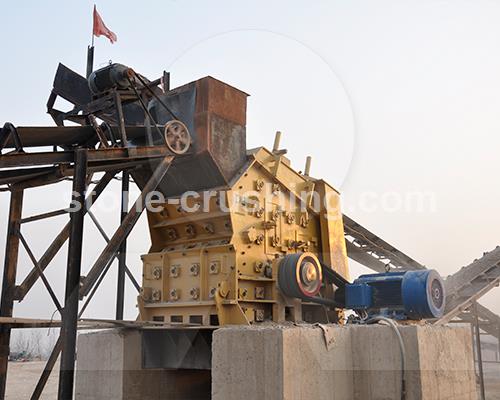
Impact crushers are widely used in various industries for the crushing of different materials, offering high reduction ratios and excellent particle shape. However, one crucial aspect that greatly impacts their efficiency is the feeding size. In this article, we will delve into the importance of optimizing the feeding size of impact crushers and how it influences their overall performance.
1. Particle Size Distribution:
The size of the particles entering an impact crusher directly affects the particle size distribution of the crushed materials. A uniform and optimal feeding size ensures that the output material has a consistent size distribution, resulting in better quality and reduced waste. Deviations in feeding size can cause uneven and unpredictable results, impacting the overall efficiency of the crusher.
2. Crushing Capacity:
The feeding size greatly influences the crushing capacity of an impact crusher. If the feeding size is too large, it may overload the crusher, leading to reduced throughput. Conversely, a feeding size that is too small may result in underutilization of the crusher's potential. Therefore, finding the right balance in feeding size is essential for maximizing the crusher's capacity.
3. Wear and Tear:
The feeding size impacts the wear and tear of the impact crusher's components, including the blow bars, rotor, and chamber liners. If oversized materials are fed into the crusher, they can cause accelerated wear on these parts, leading to increased maintenance costs and downtime. By optimizing the feeding size, one can minimize excessive wear and ensure the longevity of the crusher's components.
1. Know the Material:
Understanding the characteristics and properties of the material to be crushed is essential in determining the ideal feeding size. Factors such as hardness, compressive strength, and abrasiveness should be taken into account. Different materials may have specific requirements for the feeding size to achieve the desired results.
2. Gradual Feeding:
To avoid sudden overload, it is advisable to feed the impact crusher gradually. This allows the crusher to adjust its settings according to the material being fed, ensuring optimal performance. A gradual feeding process also helps maintain a steady material flow, minimizing the risk of blockages and maximizing efficiency.
3. Utilize Screening:
Implementing a pre-screening process before feeding the impact crusher can help remove oversized materials, ensuring that only the appropriate size reaches the crusher. This not only improves efficiency but also protects the crusher from potential damage caused by oversize particles.
4. Regular Maintenance:
Regularly inspecting and assessing the condition of the impact crusher's components is crucial. This includes checking for wear on the blow bars, rotor, and chamber liners, as well as adjusting the settings to accommodate any changes in the feeding size requirements. Timely maintenance minimizes unexpected breakdowns and ensures consistent performance.
Optimizing the feeding size of an impact crusher is integral to achieving maximum efficiency and productivity. By understanding and controlling the feeding size, operators can ensure consistent particle size distribution, maximize crushing capacity, reduce wear and tear, and ultimately improve overall operational performance. Following the above guidelines, along with regular maintenance, will enable operators to make the most of their impact crushers, leading to enhanced profitability and customer satisfaction.



