Language Spare Parts Google Views

Granite, with its timeless beauty and exceptional durability, has long been a popular choice for various construction and design projects. Whether it is for building facades, countertops, or decorative elements, the quality of the granite greatly depends on efficient quarrying and crushing processes. In this article, we explore the essential equipment required for quarrying and crushing granite, focusing on optimizing productivity, efficiency, and safety.
1. Quarrying Equipment:
1.1 Diamond Wire Saw: A diamond wire stone is a versatile tool used to cut through granite blocks at the quarry. Its diamond-encrusted wire cuts through the toughest materials with precision, allowing for accurate extraction of large blocks. Diamond wire saws facilitate faster cutting speeds and reduce waste, increasing productivity and cost-effectiveness.
1.2 Hydraulic Drills: Hydraulic drills are vital for drilling holes in granite to insert and expand splitting wedges. These powered drills speed up the quarrying process by creating precise holes for the wedges to separate the granite blocks. Additionally, hydraulic drills minimize vibrations, reducing the risk of damage to the granite.
1.3 Excavators: Powerful excavators are employed to remove the loose granite blocks from the quarry. Excavators equipped with attachments such as hydraulically operated rock grabs make the process more efficient and ensure safe handling of large granite pieces.
2. Crushing Equipment:
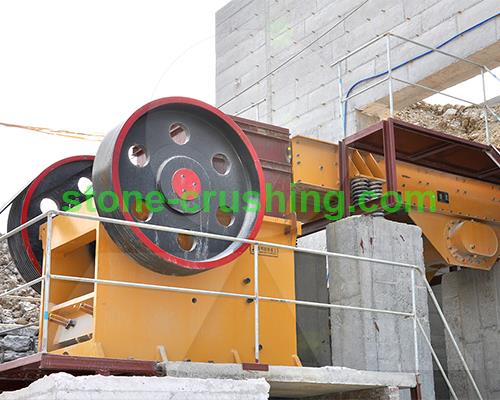
2.1 Jaw Crusher: A primary crusher, such as a jaw crusher, is commonly employed to break down large granite stones into smaller, more manageable sizes. This equipment applies compressive force to the material, thereby reducing its size and preparing it for further processing. Jaw crushers are durable, reliable, and highly efficient, making them suitable for continuous operation.
2.2 Cone Crusher: Another essential component of granite crushing is the cone crusher. This crusher uses compression to crush the granite, providing a finer end product compared to jaw crushers. Cone crushers are versatile and can handle various types of granite, ensuring a consistent size and shape for further processing.
2.3 Vibrating Screens: Vibrating screens are crucial for separating different sizes of crushed granite. These screens ensure that the granite is sorted into various fractions for specific applications, enhancing the overall efficiency of the crushing process. Vibrating screens eliminate oversize rocks and minimize the need for manual sorting, saving time and resources.
3. Maintenance and Safety Considerations:
3.1 Regular Equipment Maintenance: Proper maintenance of quarrying and crushing equipment is crucial to ensure maximum productivity and prolong the lifespan of the machinery. Regular inspections, lubrication, and repairs must be carried out to minimize downtime and address any equipment malfunctions promptly.
3.2 Safety Features and Training: Granite quarrying and crushing operations can pose significant risks to personnel and equipment. Investing in safety features, such as emergency stop buttons, guardrails, and protective barriers, is essential. Comprehensive training programs for operators and regular safety reviews help prevent accidents and create a safe working environment.
Efficient quarrying and crushing of granite require carefully selected and maintained equipment. From diamond wire saws and hydraulic drills for quarrying to jaw and cone crushers for crushing, each piece of equipment plays a vital role in optimizing productivity, efficiency, and safety. By investing in the right equipment and prioritizing regular maintenance, quarry operators can ensure smoother operations, cost-effectiveness, and high-quality granite products.



