Language Spare Parts Google Views

Cone crushers are widely used in the mining and aggregate industries to crush various hard and medium-hard materials. These machines play a crucial role in reducing the size of rocks and ores to facilitate further processing. One of the key parameters to consider when assessing a cone crusher's performance is its crushing rate. In this article, we will delve into understanding the factors that influence the crushing rate of cone crushers and explore ways to optimize it for greater productivity.
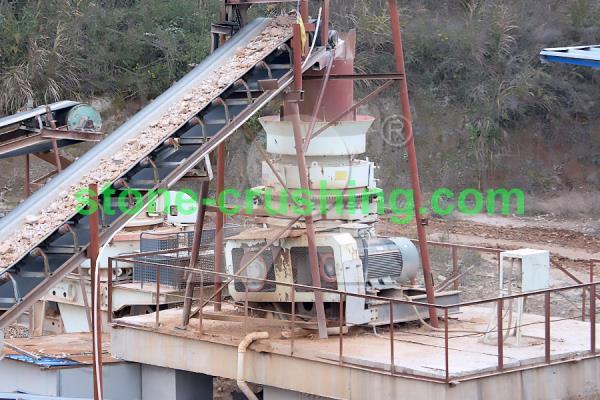
The crushing rate of a cone crusher refers to the percentage of the desired product size achieved per pass of the crushing chamber. Higher crushing rates are desirable as they indicate efficient and effective processing of materials. Factors that affect the crushing rate include feed size, closed side setting (CSS), stroke length, and crushing chamber design.
1. Feed Size:
The size of the material entering the crusher significantly affects the crushing rate. Smaller feed sizes allow for a higher crushing rate, as the material can be quickly crushed and processed. Ensure that the cone crusher is appropriately sized for the feed material to optimize the crushing rate.
2. Closed Side Setting (CSS):
The CSS refers to the smallest gap between the mantle and concave, which determines the product's final size. A smaller CSS leads to a finer product, but it also reduces the crushing rate. Finding the right balance between producing the desired product size and maintaining an efficient crushing rate is crucial. Regularly monitor and adjust the CSS to optimize the crushing rate.
3. Stroke Length:
The stroke length represents the vertical distance that the crushing head moves during each gyration. A longer stroke length generally results in increased crushing rate, as more material is processed per cycle. However, excessive stroke lengths can lead to uneven wear of the crushing surfaces and reduced overall efficiency. Understand the optimal stroke length for your specific cone crusher model to ensure maximum crushing rate while avoiding any adverse effects.
4. Crushing Chamber Design:
The design of the crushing chamber plays a vital role in determining the crushing rate. The geometry and configuration of the chamber affect the compression forces exerted on the material, ultimately impacting the crushing rate. Work closely with crusher manufacturers to select an appropriate chamber design that suits your application requirements and optimizes the crushing rate.
To optimize the crushing rate of a cone crusher, consider implementing the following strategies:
1. Regular Maintenance:
Perform routine maintenance checks to ensure the crusher is operating at its peak performance. This includes lubricating moving parts, inspecting wear liners, and replacing any damaged components. A well-maintained cone crusher will operate more efficiently, resulting in an improved crushing rate.
2. Adjust CSS and Stroke Length:
Regularly monitor and adjust the CSS and stroke length to find the optimal settings that balance the desired product size and crushing rate. Experiment with different settings while considering the feed material to achieve the best results.
3. Opt for Advanced Crushing Technologies:
Explore advanced technologies and innovations in cone crusher design and automation. Modern crushers incorporate features such as hydraulic systems and electronic control systems, enabling more precise control over the crushing process, leading to enhanced crushing rates.
Optimizing the crushing rate of cone crushers is crucial to achieving higher productivity in mining and aggregate operations. By considering factors such as feed size, CSS, stroke length, and chamber design, and implementing regular maintenance, adjustments, and advancements in technology, operators can unlock the full potential of their cone crushers. A higher crushing rate not only improves operational efficiency but also ensures a consistent supply of high-quality crushed materials.



