Language Spare Parts Google Views

The construction and demolition industries generate a massive amount of waste, and concrete is a significant component. But what if that waste could be transformed into a valuable resource? Enter the concrete crusher – a powerful machine that's revolutionizing waste management and resource recovery. This isn't your grandpappy's rock crusher; these machines are sophisticated pieces of equipment designed to efficiently and effectively break down concrete into reusable materials. Let's explore the world of concrete crushers and what makes them so vital.
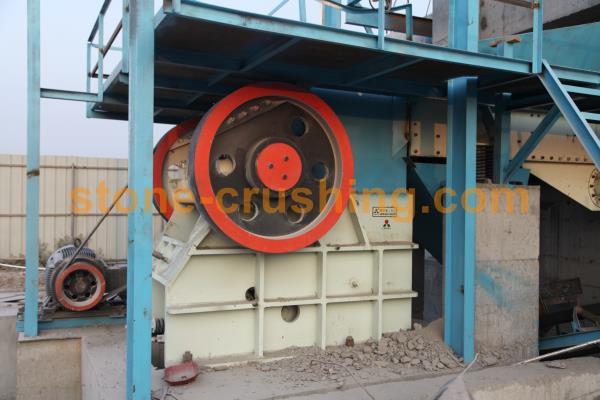
Concrete, while incredibly durable, has a limited lifespan. Demolition projects leave behind mountains of concrete debris, often destined for landfills. This contributes to environmental problems like landfilling capacity issues and the depletion of natural resources needed for new concrete production. Concrete crushers offer a sustainable alternative. By breaking down concrete into smaller pieces – aggregate – we can repurpose it in various ways:
* Recycled Aggregate in New Concrete: Crushed concrete can be used as aggregate in new concrete mixes, reducing the need for virgin materials like gravel and sand. This significantly lowers the environmental impact of concrete production.
* Road Base Material: The crushed concrete can serve as a stable base for roads and other infrastructure projects, providing a cost-effective and environmentally friendly alternative to traditional materials.
* Fill Material: The crushed material can be used as fill in construction projects, reducing reliance on virgin fill materials and minimizing land disturbance.
Several types of crushers are designed specifically for handling concrete, each with its own strengths and weaknesses:
* Jaw Crushers: These are powerful machines known for their ability to handle large chunks of concrete. They use a compressive force to crush the material between two jaws. Jaw crushers are ideal for primary crushing, handling the initial breakdown of large concrete pieces.
* Cone Crushers: Cone crushers are used for secondary and tertiary crushing, further reducing the size of the crushed concrete. They use a rotating cone to crush the material between the cone and a stationary mantle. They're known for their ability to produce a more uniform product.
* Impact Crushers: These crushers use high-velocity impact to break down the concrete. They are particularly effective at handling reinforced concrete, as the high impact can shatter the rebar. Impact crushers are often used for producing smaller aggregate sizes.
* Hammer Mills: These are smaller, high-speed crushers suitable for smaller-scale operations or for processing already smaller pieces of concrete.
Selecting the appropriate concrete crusher depends on several factors, including:
* The volume of concrete to be processed: Larger operations will require more robust and high-capacity crushers.
* The desired size of the final product: Different crushers produce different aggregate sizes.
* The type of concrete being processed: Reinforced concrete requires a crusher capable of handling rebar.
* Budget: Crushers range significantly in price, so choosing one that fits your budget is essential.
Concrete crushers are invaluable machines in modern construction and waste management. Their ability to transform concrete waste into a valuable resource makes them essential for sustainable practices. By understanding the various types of crushers and the factors influencing their selection, businesses and individuals can make informed decisions to contribute to a greener and more efficient construction industry.



