Language Spare Parts Google Views

In any crushing operation, the raw material flow rate and the reduction in particle size are crucial factors that directly impact the efficiency and profitability of the entire process. With the increasing demand for construction materials, it has become essential to optimize the aggregate crushing process and enhance the overall productivity of the plant. This is where a complete aggregate crushing plant plays a crucial role.
A complete aggregate crushing plant consists of several components, including primary crushers, secondary crushers, fine crushers, feeders, vibrating screens, conveyors, and storage areas. Each component works together to process raw materials into the desired aggregate sizes. Let's delve into the essential features and benefits of a complete aggregate crushing plant.
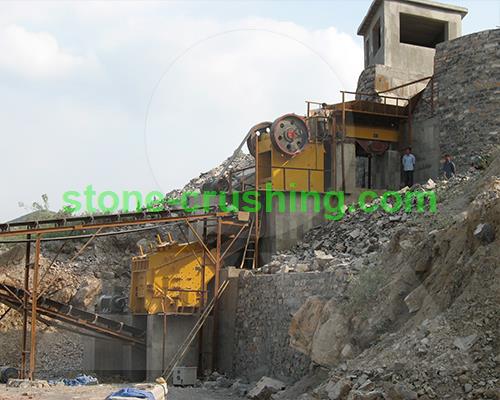
1. Primary Crushers:
The primary crushers, commonly jaw and gyratory crushers, break down the raw materials into manageable sizes. They are designed to handle large rock and provide a consistent feed to the secondary crushers.
2. Secondary Crushers:
Secondary crushers, such as cone or impact crushers, further reduce the size of the aggregate material. They play a vital role in shaping the final product and achieving the desired particle size distribution.
3. Fine Crushers:
Fine crushers, including vertical shaft impactors, help in producing high-quality aggregates by providing a precise and controlled reduction of the material. They are especially effective in creating cubical-shaped aggregates that are widely used in concrete and asphalt production.
4. Feeders:
Feeders ensure a steady flow of material into the crushing plant. They regulate the feed rate and prevent clogging or overloading of the crushers, optimizing the processing efficiency.
5. Vibrating Screens:
Vibrating screens separate the crushed materials into different sizes, allowing for proper classification. They ensure the uniformity and consistency of the final product by removing any undersized or oversized materials.
6. Conveyors:
Conveyors transport the crushed material between different processing stages. They are crucial in maintaining a continuous flow of material and minimizing downtime.
7. Storage Areas:
Storage areas are designed to store finished aggregates temporarily. They ensure easy and convenient availability of the material for further transportation or use.
The benefits of a complete aggregate crushing plant are numerous, both for the operators and the environment:
1. Enhanced Efficiency:
By integrating all the essential components into a cohesive system, a complete aggregate crushing plant ensures high productivity and minimal downtime. It optimizes the entire material processing workflow, resulting in increased production rates and reduced operational costs.
2. Versatile Application:
A well-designed aggregate crushing plant handles a wide range of materials, from limestone and granite to recycled concrete and asphalt. This versatility allows contractors and material producers to efficiently process various types of raw materials and cater to different project requirements.
3. Environmental Friendliness:
With advanced technologies and equipment, complete aggregate crushing plants minimize dust emissions, noise pollution, and energy consumption. They incorporate dust control systems and noise reduction measures, making them environmentally friendly and sustainable solutions.
In brief, a complete aggregate crushing plant offers a comprehensive solution for efficient material processing in construction and mining industries. It maximizes productivity, ensures consistent product quality, and reduces operational costs. By integrating various components, such as primary crushers, secondary crushers, fine crushers, feeders, vibrating screens, conveyors, and storage areas, these plants provide the tools to meet the demands of modern material processing. So, whether you are a contractor or a material producer, investing in a complete aggregate crushing plant is a wise choice to enhance your operational efficiency, profits, and environmental sustainability.



