Language Spare Parts Google Views

In the world of aggregate production, crushers play a crucial role in breaking down larger rocks into smaller, more manageable sizes. Two popular types of crushers are jaw crushers and impact crushers. While both are designed to crush materials, they have distinct characteristics that make them suitable for different applications. In this article, we will explore the differences between jaw and impact crushers, helping you make an informed decision when choosing the right machine for your crushing needs.
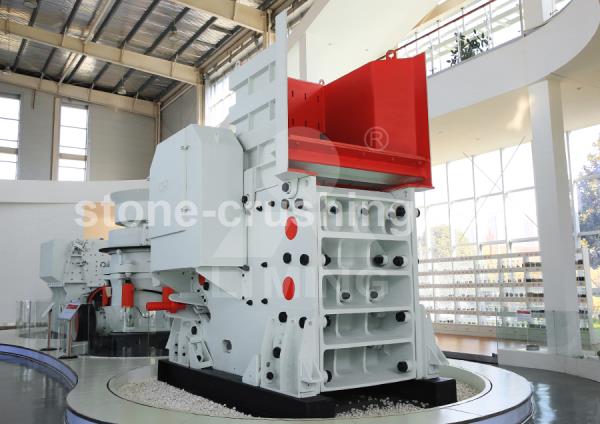
1. Crushing Mechanism: Jaw Crusher: A jaw crusher operates by squeezing the material between two plates, known as jaws. One jaw is stationary, while the other moves back and forth, creating a crushing motion. The material is fed into the chamber and crushed as it moves towards the discharge point.
Impact Crusher: An impact crusher, on the other hand, utilizes rapid impact forces to crush the material. It uses a rotor with rotating hammers or blow bars that strike the incoming material, causing it to break into smaller pieces.
2. Size Reduction Capability: Jaw Crusher: Jaw crushers are known for their ability to handle hard and abrasive materials. They excel at coarse reduction of large rocks and have a higher capacity compared to impact crushers. However, they may produce more fines and have a slower throughput rate.
Impact Crusher: Impact crushers are highly efficient at reducing soft to medium-hard materials. They are ideal for producing a well-graded product with a cubical shape. Impact crushers offer a high production capacity and can process a wide range of materials, including recycled concrete and asphalt.
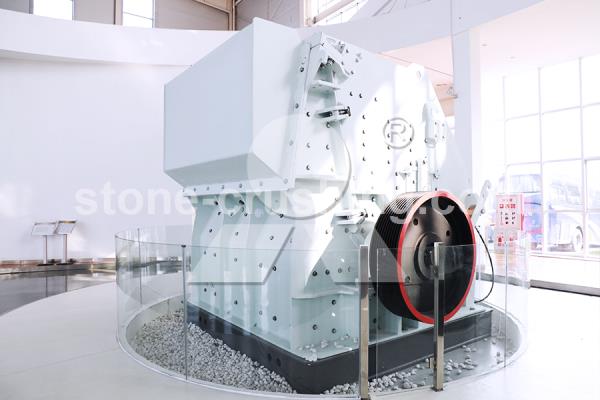
3. Versatility: Jaw Crusher: Jaw crushers are versatile machines that can handle various types of materials. They are commonly used in quarries, mining operations, and recycling applications. Additionally, jaw crushers can be equipped with additional features such as a vibrating feeder or a discharge conveyor, enhancing their versatility.
Impact Crusher: Impact crushers are often used in the secondary or tertiary crushing stage. They are suitable for a wide range of applications, including aggregate production, construction, and demolition recycling. Their ability to handle softer materials makes them a preferred choice in certain situations.
4. Maintenance and Operating Costs: Jaw Crusher: Jaw crushers require regular maintenance to ensure proper functioning and prevent costly breakdowns. The cost of jaw crusher parts, such as jaw plates and liners, should be considered when calculating the overall operating costs.
Impact Crusher: Impact crushers are generally easier to maintain compared to jaw crushers. They have fewer moving parts and often require less frequent maintenance. However, the cost of replacing wear parts, such as blow bars or impact plates, should be factored into the operating budget.
Both jaw and impact crushers offer unique advantages and are suitable for different crushing applications. Jaw crushers are well-suited for hard and abrasive materials, while impact crushers excel at producing well-graded products with a cubical shape. Consider the specific requirements of your project, including material type, size reduction needs, and operating costs, to determine which crusher is the best fit. Consulting with industry experts and conducting thorough research will help you make an informed decision.



